

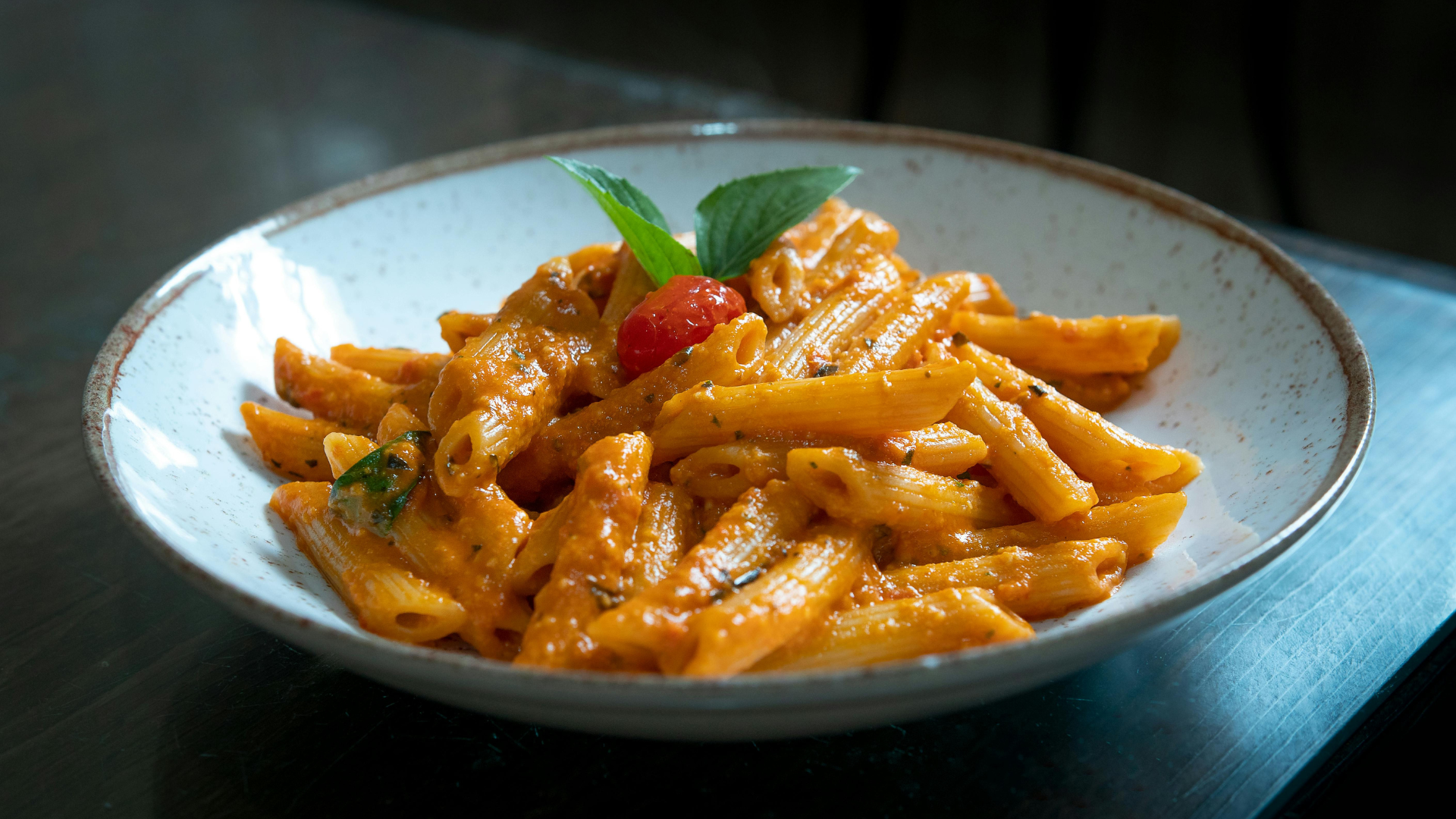
Cooking with a few ingredients can simplify meal prep without sacrificing flavor or nutrition. Easy recipes with few ingredients save time, reduce stress, and use what you likely already have at home.
Such recipes are ideal for busy days or for cooks who prefer straightforward methods. They show that great meals don’t require long shopping lists or complicated steps.
This article offers simple, practical recipes that focus on quality over quantity. Whether cooking for one or feeding a family, these dishes provide reliable options.
What Defines Easy Recipes with Few Ingredients
Easy recipes with few ingredients rely on simplicity and efficiency. The focus is on using a limited number of items that work well together to create flavorful meals. These recipes often emphasize convenience without sacrificing taste or texture.
Key Characteristics
Recipes with few ingredients typically use between three and six components. Each ingredient serves a clear purpose, either flavoring, binding, or providing texture. The cooking techniques are straightforward, often requiring minimal preparation and short cooking times.
They avoid complex steps, such as marinating for hours or elaborate garnishes. The ingredient list is simple enough to shop for quickly and often features items commonly found in most kitchens. This makes these recipes accessible for cooks of all skill levels.
Benefits of Minimalist Cooking
Minimalist cooking saves time both in preparation and cleanup. Fewer ingredients mean less chopping, measuring, and washing dishes. It reduces stress for busy individuals who want nutritious, home-cooked meals.
This approach also helps cut food costs and reduces waste since only essential items are purchased. It encourages reliance on pantry staples and fresh produce, leading to more purposeful grocery shopping. Eating simpler meals can also make it easier to control portions and nutritional intake.
Common Ingredient Staples
There is a core group of ingredients often used in easy recipes. These include:
- Proteins: eggs, canned beans, chicken breasts
- Vegetables: onions, garlic, carrots
- Carbohydrates: rice, pasta, potatoes
- Pantry basics: olive oil, salt, pepper
Having these on hand supports quick meal assembly. Many dishes rely on a combination of each group to balance flavor and nutrition without needing specialty items.
Tips for Cooking with Fewer Ingredients
Cooking with fewer ingredients requires focusing on efficiency, quality, and enhancing natural flavors. Simple adjustments in process and ingredient choice can significantly improve the outcome without complicating the recipe.
Time-Saving Techniques
Using fewer ingredients often means less prep time, but planning can make it even faster. Prepare staple ingredients like chopped onions or garlic in bulk and store them in the fridge for quick use across multiple meals.
Batch cooking is effective. Cook larger portions of grains or roasted vegetables to use throughout the week, reducing daily cooking steps.
Using one-pot or sheet-pan meals can save time on both cooking and cleanup. These methods combine several ingredients in a single container while preserving flavor integrity.
Invest in basic kitchen tools such as a sharp chef’s knife and a good cutting board to speed up chopping. Quick, precise cuts help maintain ingredient texture and enhance presentation.
Choosing Quality Ingredients
With fewer ingredients, each one plays a bigger role in the dish. Select fresh, high-quality items to elevate simple recipes effectively.
Look for vibrant, unblemished produce and the freshest possible proteins. Organic or locally sourced ingredients often provide better taste and texture.
Choose seasonal ingredients to get the best value and flavor. Seasonal produce is generally fresher and at peak quality.
Small details like extra virgin olive oil over standard versions or freshly ground spices instead of pre-ground bring significant improvements. These small quality upgrades make a tangible difference.
Flavor Boosting Hacks
When recipes rely on minimal components, mastering simple flavor-boosting techniques is essential. Use acidity, like lemon juice or vinegar, to brighten dishes without introducing more ingredients.
Toasting spices before adding them releases oils that deepen flavor. This step is quick and transforms basic seasonings.
Herbs, whether fresh or dried, add complexity. Add fresh herbs at the end of cooking to preserve their flavor, while dried herbs are best added earlier to infuse the dish.
Salt is a critical flavor enhancer. Season gradually and taste frequently to avoid over-salting, ensuring each ingredient’s natural flavor shines through.
Quick reference for flavor boosts:
| Technique | Result | Recommended Use |
| Acid (lemon/vinegar) | Brightens, balances | Dressings, sauces |
| Toasted spices | Deepens, warms flavors | Curries, stews |
| Fresh herbs | Adds freshness | Garnishes, late-stage cooking |
| Gradual salting | Enhances natural flavors | Throughoutthe cooking process |
Essential Tools for Simple Recipes
Basic kitchen tools and smart gadgets can make cooking easy and efficient. Knowing what to keep on hand helps reduce clutter and speeds up meal prep.
Must-Have Kitchen Equipment
A good chef’s knife is essential for chopping, slicing, and dicing. It handles most tasks and improves safety and precision. Along with a cutting board, these form the foundation of food prep.
Measuring cups and spoons ensure accurate ingredient amounts, helping maintain flavor balance. A mixing bowl is vital for combining ingredients in one place.
A nonstick skillet allows quick cooking without much oil, ideal for simple stovetop meals. Finally, a wooden spoon or silicone spatula is versatile for stirring and folding.
Space-Saving Gadgets
Multi-use appliances save counter space and time. An immersion blender, for example, can puree soups, whip batters, and mix sauces directly in the pot or bowl.
A compact food processor handles chopping, shredding, and blending in seconds. It’s especially useful for recipes with few ingredients but diverse tasks.
Consider a small rice cooker or Instant Pot if you want hands-off cooking for staples. Their minimal cleanup complements simple recipes well.
Breakfast Recipes with Few Ingredients
Simple breakfast options can be quick to prepare without sacrificing taste or nutrition. Using very few ingredients saves time and reduces cleanup while still offering satisfying meals.
Quick Egg Dishes
Eggs are versatile and require minimal ingredients to create flavorful dishes. A classic scrambled egg needs only eggs, salt, and butter or oil. Whisk eggs with salt, cook on medium heat, stirring gently until set.
For a basic omelet, add cheese or a handful of chopped vegetables if desired. A microwave egg mug, using just eggs and cheese, cooks in 1-2 minutes for an ultra-fast option.
Poached or fried eggs pair well with toast alone, making them a simple and balanced choice. Eggs provide protein and healthy fats, making these dishes filling with minimal preparation.
Simple Smoothies
Smoothies need a few ingredients but can be nutrient-packed. A basic recipe relies on just two or three components: a fruit like a banana or berries, a liquid such as milk or juice, and optional yogurt for creaminess.
Combine 1 cup of fruit with ½ to 1 cup of liquid in a blender. Blend until smooth. Frozen fruit can replace ice to chill without diluting flavor.
Adding a small scoop of protein powder or nut butter is optional, but it keeps the count low. Simple smoothies are a portable, no-cook way to start the day balanced.
Two-Ingredient Pancakes
Two-ingredient pancakes are quick and require only eggs and bananas. Mash one ripe banana and mix with two eggs until combined.
Cook dollops of the batter in a nonstick pan over medium heat, flipping when bubbles form on top. These pancakes are naturally sweet and gluten-free.
They can be served plain or topped with yogurt or fresh fruit. The recipe is ideal for those avoiding flour or sugar but wanting a homemade breakfast.
Lunch Ideas Using Minimal Ingredients
Simple lunches can be both quick and satisfying with the right approach. Using just a few staple ingredients, you can create meals that save time and reduce waste without sacrificing taste or nutrition.
Easy Sandwiches
Sandwiches with minimal ingredients rely on quality basics like fresh bread, a protein, and a flavorful spread. For example, a turkey and avocado sandwich needs only sliced turkey, avocado, and whole-grain bread. Add mustard or a light mayo for extra taste without complicating the recipe.
A classic grilled cheese is also quick and requires just bread, cheese, and butter. Opt for sharp cheddar or mozzarella for a richer flavor. You can elevate it with tomato slices or spinach if available, but keep the core ingredients simple.
Fresh Salads
Fresh salads are an excellent option to mix vegetables with proteins easily. Start with a base of greens like spinach or arugula. Add one or two proteins such as canned tuna, boiled eggs, or chickpeas.
Use a simple dressing made from olive oil, lemon juice, salt, and pepper. Avoid overloading ingredients; a salad with three to five components ensures a clean taste and is easy to prepare. Adding nuts or cheese can introduce texture without complexity.
One-Pan Meals
One-pan meals save both preparation and cleanup time, perfect for busy lunches. A basic stir-fry requires only vegetables like bell peppers and zucchini, a protein such as chicken or tofu, and a splash of soy sauce or seasonings.
Roasted sheet pan dishes combine chopped vegetables and meat with oil and herbs, then bake until cooked through. Ingredients like potatoes, carrots, and sausage work well. This minimal method delivers a balanced meal with little effort.
Simple Dinner Recipes
Many easy dinner options rely on just a few ingredients to create satisfying meals. These recipes prioritize simplicity and minimal prep while ensuring balanced flavors and textures.
Hearty Main Courses
Hearty main courses often feature proteins like chicken, beef, or fish paired with basic seasonings. For example, a garlic butter chicken breast requires only chicken, butter, garlic, and herbs. Cooking times are short, making these dishes practical for weeknights.
Beef stir-fry with soy sauce and frozen vegetables can be prepared in under 20 minutes. Use lean cuts for quicker cooking and less cleanup. These dishes require minimal seasoning but deliver filling results.
Sheet Pan Suppers
Sheet pan suppers combine protein and vegetables on one tray, reducing both prep and cleanup time. A simple recipe is sausages with potatoes and green beans tossed in olive oil, salt, and pepper.
Roasting everything together enhances flavors while maintaining easy portion control. Most recipes use fewer than five ingredients and require only one oven temperature setting.
Vegetarian Favorites
Vegetarian options often rely on legumes, grains, and fresh produce. A quick chickpea curry needs canned chickpeas, coconut milk, curry powder, and onion. It’s both protein-rich and flavorful.
Another favorite is pasta with roasted cherry tomatoes and garlic, dressed with olive oil and basil. These dishes use fresh ingredients and pantry staples to create nutritious, meat-free dinners quickly.
Snack and Appetizer Inspiration
Simple snacks and appetizers can be made quickly with just a few ingredients. Focus on fresh flavors, easy preparation, and ingredients that complement each other well.
Three-Ingredient Snacks
Three-ingredient snacks keep things straightforward without sacrificing taste. Combining nuts, cheese, and fruit is a classic example. For instance, try pairing almonds, sharp cheddar, and apple slices for a balanced mix of textures and flavors.
Another quick option is to toast pita bread, spread hummus, and add sliced cucumbers. This offers a fresh and satisfying bite with minimal effort.
For a sweet alternative, mix Greek yogurt, honey, and granola. This can serve as a healthy snack or light dessert, focusing on natural sweetness and crunch.
Dips and Spreads
Dips and spreads made with a few components often rely on pantry staples. Guacamole with avocado, lime juice, and salt is easy and flavorful. It pairs well with chips or veggie sticks.
Another option is a whipped feta spread using feta cheese, Greek yogurt, and olive oil. This creates a creamy, tangy dip perfect for bread or crackers.
Consider a simple tomato salsa made from fresh tomatoes, onion, and cilantro. It’s bright and refreshing and can complement grilled meats or chips.
Easy Desserts with Minimal Ingredients
Simple desserts often require just a handful of ingredients, making them quick to prepare without sacrificing flavor. Whether using pantry staples or fresh items, these desserts focus on ease and straightforward techniques.
No-Bake Sweets
No-bake desserts are ideal when you want something fast and fuss-free. Recipes like chocolate peanut butter bars need only chocolate, peanut butter, and a sweetener. Mix, press into a pan, and chill.
Another popular choice is overnight oats with honey and berries, which combines oats, milk, and fruit for a creamy, naturally sweet treat ready by morning.
These sweets avoid baking entirely, saving energy and time. Most involve mixing and chilling, making them accessible for all skill levels. Ingredients tend to be minimal and versatile, fitting into various dietary preferences.
Baked Goods
Minimal-ingredient baked desserts rely on a few core components like flour, sugar, eggs, and butter. A classic example is three-ingredient cookies made by mixing peanut butter, sugar, and an egg. They require no additional leavening agents and bake quickly.
Simple muffins with banana, flour, and baking powder leverage ripe bananas for moisture and sweetness, removing the need for complex flavorings.
Baking with few ingredients requires attention to texture and moisture balance, but results in satisfying desserts with familiar tastes. Measuring precisely and not over-mixing are key to success.
Fruit-Based Treats
Using fresh or frozen fruit can dramatically simplify dessert preparation. Baked apples with cinnamon and brown sugar call for just three ingredients but offer a warm, comforting end to any meal.
Frozen berries thawed and mixed with a touch of honey and lemon juice become a quick compote, perfect over yogurt or ice cream.
Fruit-based desserts highlight natural sweetness and need minimal additions. They can be raw, baked, or cooked lightly, making them versatile options for those who want healthy yet easy sweets.
Storing and Reusing Ingredients
Proper handling and smart reuse of ingredients extend their shelf life and reduce food waste. Knowing how to store specific items and creatively repurpose leftovers can save money and time in the kitchen.
Proper Storage Tips
Keep herbs fresh by trimming stems and placing them in a glass of water inside the fridge, loosely covered with a plastic bag. Store root vegetables like carrots and potatoes in a cool, dark place outside the fridge to prevent moisture buildup.
For dairy products, always check the best-by date and store them on shelves rather than fridge doors for more consistent temperatures. Use airtight containers for flours, grains, and nuts to keep out moisture and pests.
Freeze excess bread and portions of raw meat separately to maintain quality. Label containers with dates to track freshness. Avoid overcrowding the fridge to allow air circulation and preserve food longer.
Creative Ways to Reduce Waste
Use vegetable scraps like onion skins and carrot tops to make flavorful homemade broth. Leftover cooked grains can be turned into salads or stir-fry bases.
Stale bread works well toasted or as croutons. Overripe fruits can be blended into smoothies or baked into muffins.
Save small amounts of fresh herbs in ice cube trays with olive oil for quick cooking additions. Plan weekly menus based on what needs to be used first to avoid spoilage.
Conclusion
Easy recipes with few ingredients provide a practical solution for busy schedules. They save time without sacrificing basic flavors or nutrition.
Focusing on staple ingredients allows for creativity within simplicity. Many meals can be prepared with just 3 to 5 items, making grocery shopping straightforward and budget-friendly.
Key advantages of simple recipes:
- Less preparation and cleanup
- Reduced food waste
- Flexibility to mix and match based on availability
Experimenting with seasonings and cooking methods can enhance these dishes. Keeping the ingredient list short encourages using fresh, quality components, which often improve taste naturally.
When selecting recipes, consider your dietary needs and preferences. Basic recipes can be adapted easily for vegetarian, gluten-free, or other diets by swapping ingredients.
Remember, simplicity does not mean compromising on satisfaction. Clear instructions and minimal steps provide accessibility for cooks at any skill level.
Easy recipes with few ingredients offer consistent, dependable options to fit various lifestyles and tastes.