

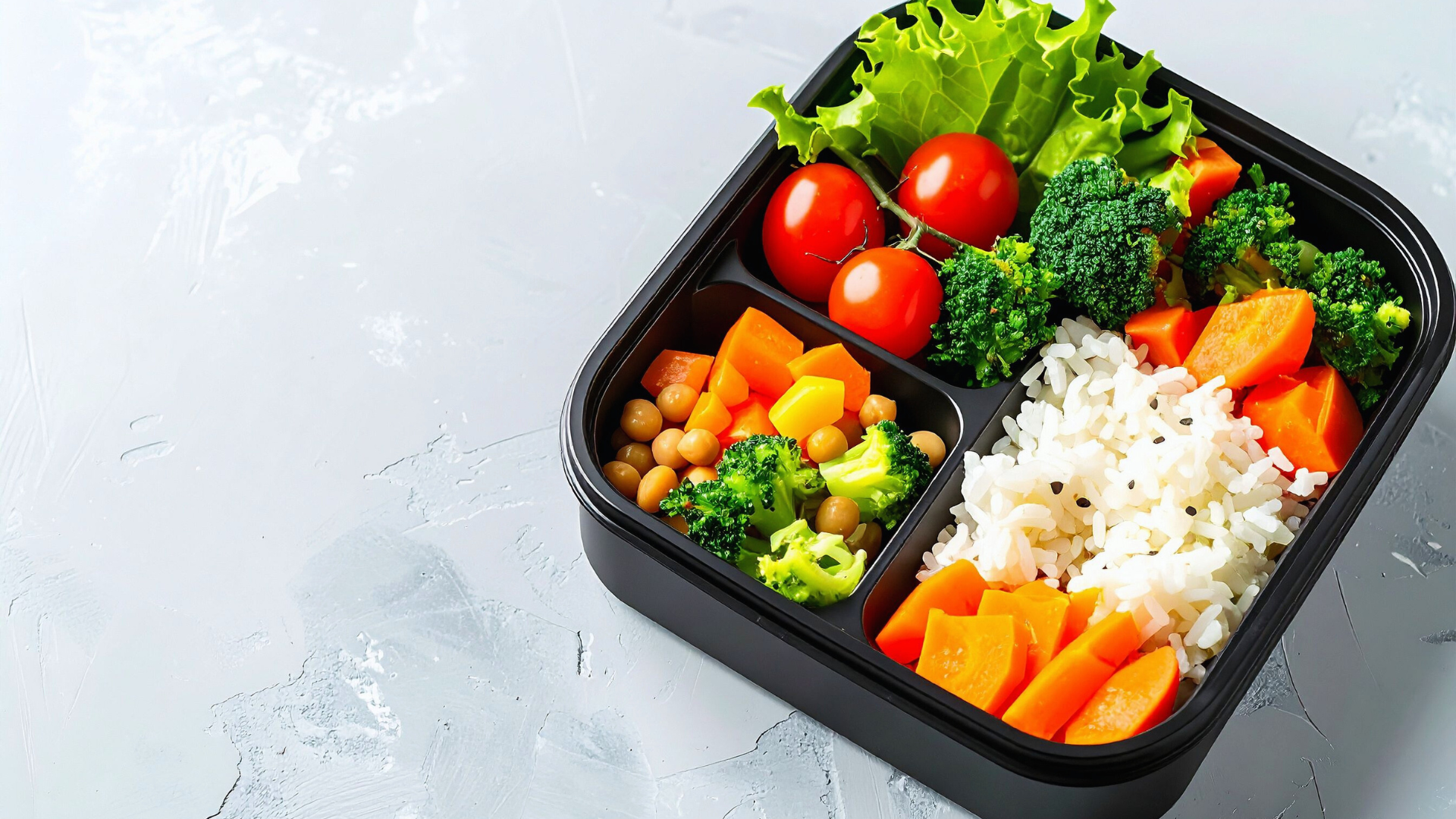
Starting a vegetarian diet can feel overwhelming, especially if cooking skills are limited. Easy vegetarian meals for beginners rely on simple ingredients and straightforward methods to create nutritious, satisfying dishes without complexity.
These meals focus on common pantry staples, fresh vegetables, and protein sources like beans, lentils, and tofu. By keeping recipes accessible, anyone can build confidence in the kitchen while enjoying meat-free options.
No need for fancy techniques or hard-to-find items—these recipes make vegetarian cooking practical and approachable for everyday.
Benefits of Easy Vegetarian Meals
Choosing simple vegetarian recipes can improve daily life through better health, cost savings, and reduced environmental strain. These meals often require fewer ingredients, making cooking and meal planning more manageable for beginners.
Health Advantages
Vegetarian meals tend to be rich in fiber, vitamins, and antioxidants due to a higher intake of fruits, vegetables, whole grains, and legumes. These nutrients contribute to improved digestion, lower cholesterol, and reduced risk of heart disease.
A plant-based diet usually contains less saturated fat and fewer processed ingredients. This can help maintain healthy weight levels and support better blood sugar control, which is particularly beneficial for those managing diabetes or metabolic conditions.
Easy vegetarian dishes also encourage variety, which aids in obtaining a broad range of essential nutrients, like iron from lentils and protein from beans, without relying on animal products.
Budget-Friendly Eating
Plant-based meals often cost less than meat-based ones because staples like beans, rice, and vegetables are economical. Buying seasonal produce and bulk grains further reduces grocery bills.
Simple vegetarian cooking requires fewer specialty products. This means fewer impulse buys and less money spent on expensive cuts of meat or processed food items.
Using versatile ingredients helps minimize waste and stretch meals over multiple servings. Planning this way can make it easier to shop on a budget without sacrificing nutritional value.
Environmental Impact
Vegetarian meals generally have a smaller carbon footprint than those containing meat. Producing plant foods requires less water, land, and energy.
By favoring vegetables, grains, and legumes, easy vegetarian cooking reduces greenhouse gas emissions linked to livestock farming. This shift supports environmental sustainability.
Choosing local and seasonal produce within these meals can further lower transportation impacts and support regional agriculture. This promotes a more eco-friendly diet aligned with sustainable food practices.
Essential Kitchen Tools for Beginners
Starting to cook vegetarian meals is easier with the right tools. Having the proper utensils and appliances helps prepare meals efficiently and safely, reducing frustration and improving results.
Must-Have Utensils
A sharp chef’s knife is essential for chopping vegetables quickly and cleanly. Alongside it, a sturdy cutting board made of wood or plastic protects your surfaces and helps maintain blade sharpness.
Measuring cups and spoons ensure accurate ingredient quantities, which is especially helpful when following new recipes. A vegetable peeler easily removes skins from carrots, potatoes, and other produce without wasting edible parts.
Other important utensils include a large mixing bowl for combining ingredients, a wooden spoon for stirring, and tongs for flipping or serving food. These basics cover most tasks when preparing vegetarian dishes.
Basic Appliances for Vegetarian Cooking
A reliable blender or food processor helps create smoothies, sauces, or dips like hummus. It saves time and makes recipes smoother and more consistent.
A medium-sized saucepan works well for cooking grains, beans, and soups. A nonstick skillet or frying pan is necessary for sautéing vegetables without excess oil sticking or burning.
If space or budget allows, a rice cooker simplifies grain preparation by cooking rice evenly and freeing up stove space. A slow cooker or Instant Pot can also aid in slow-cooking beans and stews with minimal supervision.
Stocking a Beginner’s Vegetarian Pantry
A well-stocked pantry ensures quick meal preparation and balanced nutrition. Focus on versatile grains, reliable protein sources, fresh and frozen produce, plus a selection of herbs and spices that add depth to simple dishes.
Staple Grains and Proteins
Keep a variety of grains like brown rice, quinoa, and whole-wheat pasta. They serve as a filling base for meals. Lentils, chickpeas (canned or dried), and black beans provide essential plant-based protein and fiber.
Tofu and tempeh are excellent protein options with different textures. Keep them refrigerated or frozen to extend shelf life. Also, include nuts and seeds such as almonds, chia seeds, or pumpkin seeds for easy snacks or salad toppings.
Having a mix of both dried and canned legumes helps balance convenience and cost. These staples support well-rounded dishes that meet protein and energy needs.
Fresh and Frozen Produce
Fresh vegetables like spinach, bell peppers, and carrots are simple to store and highly versatile. Buy what is in season to save money and get better flavor.
Frozen vegetables such as peas, corn, and mixed vegetables are convenient and nutrient-rich. They help minimize waste since they last longer in the freezer.
Fruits like apples, bananas, and berries (fresh or frozen) add natural sweetness to meals and snacks. Keep an eye on freshness, rotating produce to use older items first to avoid spoilage.
Flavorful Herbs and Spices
Basic herbs like cilantro, parsley, and basil enhance freshness in vegetarian dishes. Dried versions last longer and are useful when fresh options are unavailable.
Essential spices include cumin, paprika, turmeric, and chili powder. They add warmth and complexity to meals like stews, stir-fries, and soups.
Keep salt and pepper accessible, plus a bottle of olive oil. These simple ingredients make a big difference in flavor and texture. A small collection of versatile herbs and spices simplifies cooking and improves taste without long ingredient lists.
Quick and Simple Vegetarian Breakfasts
Starting your day with a nutritious vegetarian breakfast can be fast and satisfying. Focus on meals that deliver protein and can be prepared quickly or ahead of time to fit a busy schedule.
Protein-Rich Options
Eggs, Greek yogurt, and cottage cheese are excellent high-protein vegetarian breakfast choices. They help keep you full longer and support muscle health.
For a plant-based option, consider tofu scramble or chickpea flour pancakes. These contain essential amino acids and can be flavored with vegetables, herbs, or spices.
Nuts and seeds add protein and healthy fats; sprinkle them on oatmeal or blend them into smoothies. Combining protein with fiber-rich foods like whole-grain toast or fruit ensures balanced energy throughout the morning.
Make-Ahead Breakfast Ideas
Prepare overnight oats by soaking rolled oats with milk or yogurt, and add fruits or nuts before bed. This saves time and offers a customizable, cold breakfast.
Chia pudding is another simple make-ahead meal. Mix chia seeds with plant-based milk and refrigerate overnight for a creamy texture by morning.
Vegetable muffins or breakfast burritos made in bulk can be frozen and reheated. These options provide variety and convenience without sacrificing nutrition.
Easy Vegetarian Lunch Recipes
Vegetarian lunches can be simple, nutritious, and flavorful. Focus on ingredients that offer protein, fiber, and essential nutrients without complex preparation. Using fresh vegetables, legumes, and whole grains creates satisfying meals.
Cold Lunches for On-the-Go
Cold vegetarian lunches are convenient and require minimal cooking. Salads with mixed greens, chickpeas, cherry tomatoes, and avocado provide a balance of protein and healthy fats. Adding a lemon-tahini dressing enhances flavor without extra calories.
Wraps made from whole wheat or spinach tortillas filled with hummus, shredded carrots, cucumbers, and spinach are portable and quick to assemble. They keep well in a lunchbox and can be eaten without heating.
Simple grain bowls with quinoa, black beans, corn, and diced bell peppers can be prepared ahead. Topping with salsa or a yogurt-based dressing increases taste and moisture.
Hearty Warm Lunches
Warm vegetarian lunches often focus on soups, stews, and casseroles. Lentil soup with carrots, celery, and tomatoes is filling and rich in protein and fiber. It can be made in bulk and reheated easily.
Stir-fries using tofu, broccoli, snap peas, and brown rice provide a quick, well-rounded meal. Flavor with soy sauce, garlic, and ginger for taste without excessive fat.
Baked sweet potatoes stuffed with black beans, corn, and a sprinkle of cheese or nutritional yeast offer a nutritious and hearty option. They require oven time but minimal active preparation.
Effortless Vegetarian Dinners
Vegetarian dinners can be simple, quick, and packed with flavor. Using minimal cookware and basic pantry ingredients often produces the best results with little cleanup.
One-Pot Meals
One-pot meals save time by combining all ingredients in a single pot, reducing dishes and effort. Common examples include lentil stews, vegetable curries, and pasta primavera.
Start by sautéing aromatics like garlic and onions. Add vegetables, legumes, and spices, then pour in broth or water and let everything cook together. This method intensifies flavors as ingredients meld during cooking.
Key ingredients for one-pot meals:
- Lentils or beans for protein
- Root vegetables like carrots and potatoes
- Quick-cooking grains such as rice or quinoa
One-pot recipes are forgiving, allowing for ingredient swaps based on what’s available. Preparation is straightforward, making these dishes ideal for beginners.
Sheet Pan Dinners
Sheet pan dinners involve roasting a mixture of vegetables and plant-based proteins on a single baking sheet. This hands-off technique promotes even cooking and caramelization.
Use a variety of colorful vegetables—bell peppers, zucchini, and cherry tomatoes work well. Add tofu, tempeh, or chickpeas for protein to keep the meal balanced. Toss everything in olive oil and your preferred seasonings.
Roast at 400°F (204°C) for 20 to 30 minutes, stirring halfway through. The combination of roasted textures creates a satisfying meal with minimal effort. Cleanup is simple since everything cooks in one pan.
A typical sheet pan dinner might include:
| Ingredient | Quantity | Notes |
| Bell peppers | 2 medium, sliced | Sweet, colorful |
| Zucchini | 1 medium, sliced | Mild flavor |
| Cherry tomatoes | 1 cup | Adds acidity and color |
| Tofu | 8 oz, cubed | Press first for texture |
| Olive oil | 2 tbsp | Helps with roasting |
Simple Vegetarian Snacks
Snacks can be both nutritious and quick to prepare, especially for beginners. Choosing ingredients that offer protein, fiber, and healthy fats helps maintain energy between meals.
Healthy Snack Ideas
Focus on snacks that combine vegetables, fruits, nuts, and dairy or plant-based alternatives. For example, carrot sticks paired with hummus provide fiber and protein.
Other options include Greek yogurt topped with chia seeds or a small handful of almonds with apple slices. These snacks supply essential nutrients like calcium, vitamin C, and healthy fats.
Storing pre-cut veggies in the fridge makes reaching for a healthy option faster. Avoid heavily processed snacks with added sugars or artificial ingredients to keep your snacking clean and beneficial.
Grab-and-Go Snacks
When time is limited, portability becomes key. Items like whole fruit, protein bars with recognizable ingredients, or nut butter packets offer quick nutrition without preparation.
Roasted chickpeas and trail mix with dried fruit and nuts are convenient, shelf-stable choices. They provide a balance of carbohydrates, protein, and fats, keeping hunger at bay.
Keep a small cooler or insulated bag at hand for perishable snacks like cheese sticks or hard-boiled eggs. This extends your options beyond dry snacks.
Tips for Meal Planning and Prepping
Effective meal planning and prepping can save time, reduce stress, and ensure balanced vegetarian meals throughout the week. Focusing on organizing a weekly menu and employing batch cooking techniques makes it easier to stick to a vegetarian diet without last-minute scrambling.
Creating a Weekly Vegetarian Menu
Start by listing easy-to-prepare meals that you enjoy and include a balance of proteins, vegetables, and whole grains. Plan for variety to avoid repetition, such as alternating between bean-based dishes, tofu stir-fries, and vegetable-rich pastas.
Use a simple template or app to map out breakfasts, lunches, and dinners. Include snacks like nuts, fruit, or hummus with veggies. Check your pantry and fridge before shopping to prevent buying duplicates.
Allocate one day for grocery shopping and keep meals flexible enough to swap if you find fresh ingredients at the store. Planning meals in advance helps control portions and keeps nutrition balanced.
Batch Cooking Strategies
Choose recipes that store well, such as chili, soups, grain bowls, and casseroles. Prepare these in large quantities and freeze portions for quick reheating.
Use containers that are microwave- and freezer-safe, and label food with the date. Cooking staples like rice, beans, or roasted vegetables in bulk saves time during the week.
Focus on recipes with similar ingredients to reduce waste and streamline grocery lists. For example, chop a large batch of vegetables to use for multiple recipes over several days.
Navigating Common Beginner Challenges
Starting a vegetarian diet often involves practical concerns like maintaining good nutrition and replacing familiar ingredients. Addressing these issues early helps ensure meals remain satisfying and healthy.
Ensuring Balanced Nutrition
A common challenge is getting enough protein, iron, and vitamin B12 on a vegetarian diet. Include legumes (beans, lentils) and tofu as primary protein sources. Quinoa and nuts also contribute essential amino acids.
Iron from plant foods is less easily absorbed than from meat. Pair iron-rich foods like spinach and chickpeas with vitamin C sources (oranges, bell peppers) to boost absorption. Consider fortified cereals for added nutrients.
Vitamin B12 is found mainly in animal products, so look for B12-fortified foods or supplements. Pay attention to calcium, especially if dairy is limited; include leafy greens and fortified plant milk.
Finding Ingredient Substitutes
Swapping out meat and dairy can feel tricky at first. Focus on versatile replacements that mimic texture and flavor while adding nutrition.
For protein, use tempeh, seitan, or textured vegetable protein (TVP) in place of ground meat. Nutritional yeast adds a cheesy flavor to sauces and dressings.
Milk can be replaced with almond, soy, or oat milk, considering taste and nutrient content. Yogurt substitutes made from coconut or soy work well in creamy dishes.
When recipes call for eggs, use flaxseed meal or mashed bananas as binding agents in baking. Keep a list of substitutes handy to ease the transition and maintain recipe variety.
Inspirational Resources for New Vegetarians
Finding reliable information and support can make transitioning to vegetarian meals easier. Trusted sources and active communities provide recipes, tips, and encouragement to help maintain motivation.
Recommended Websites and Cookbooks
Popular websites like Minimalist Baker and Oh She Glows offer beginner-friendly vegetarian recipes with simple ingredients. They provide clear instructions and nutritional info, making meal prep straightforward.
Cookbooks such as The Complete Vegetarian Cookbook by America’s Test Kitchen and Vegetarian Cooking for Everyone by Deborah Madison are practical options. These books cover basics, ingredient substitutions, and varied cuisines to keep meals interesting.
Many of these resources highlight quick recipes, meal planning, and pantry essentials to streamline cooking for beginners.
Communities and Support Groups
Online forums like Reddit’s r/vegetarian and Facebook groups provide spaces to ask questions or share experiences. These communities often post tips for overcoming challenges, product recommendations, and local meetups.
Local vegetarian or vegan groups also organize potlucks or cooking classes. Joining such groups can provide hands-on learning and peer encouragement, which is valuable during early vegetarian stages.
Many support groups focus on nutritional advice, helping beginners avoid common pitfalls like protein or vitamin B12 deficiencies.