

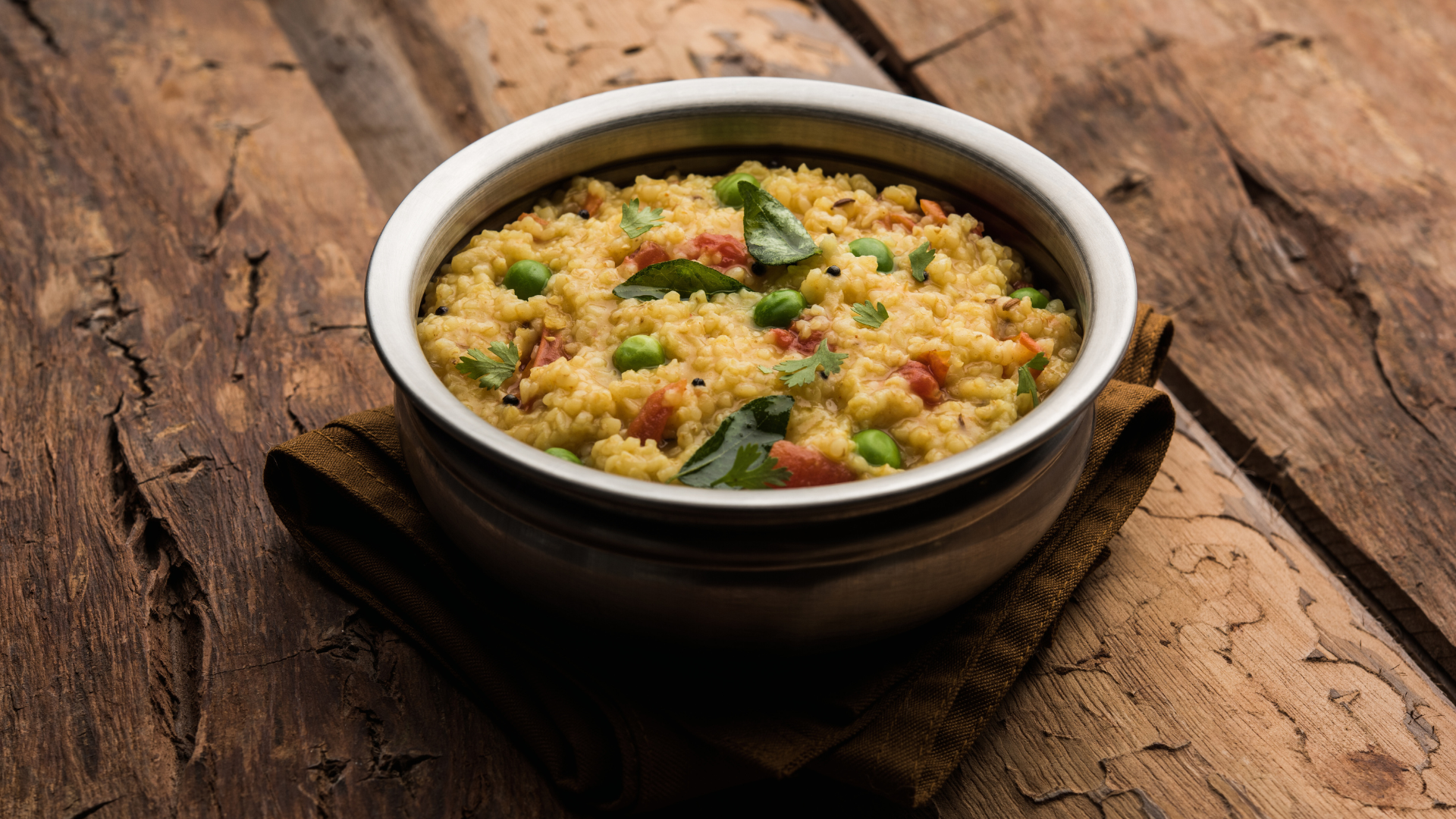
Making meals doesn’t have to be complicated or time-consuming. One-pot meal ideas simplify cooking by combining all ingredients into a single dish, cutting down on prep time and cleanup. These meals are efficient, convenient, and still deliver balanced, tasty results.
Whether you’re short on time or just want to avoid piles of dirty dishes, easy one-pot recipes provide practical solutions for everyday cooking. From hearty stews to flavorful pasta dishes, they cover a wide range of tastes and dietary needs.
This article offers straightforward one-pot meal ideas that require minimal effort and maximum flavor. You can expect clear, practical options that fit into busy schedules without sacrificing nutrition or taste.
Benefits of Easy One-Pot Meals
One-pot meals combine multiple ingredients and cooking steps into a single dish, making cooking straightforward and efficient. They offer practical advantages in saving time, reducing mess, and providing balanced nutrition.
Time and Effort Saved
One-pot meals streamline the cooking process by requiring fewer steps and less preparation. Ingredients can often be added in stages without needing multiple pans or appliances.
This method reduces active cooking time since you don’t need to monitor several dishes at once. It also minimizes the need for stirring or switching utensils, freeing up time to focus on other tasks.
Meal planning becomes simpler because one-pot recipes usually involve straightforward ingredient lists. This efficiency makes one-pot meals ideal for busy schedules.
Simplified Cleanup
Using a single pot means fewer dishes to wash after cooking. One-pot meals drastically cut down the cleanup time compared to multi-dish meals.
Since ingredients cook together, there are no extra pans, bowls, or utensils cluttering the sink. This reduces water usage and energy spent on washing.
For those with limited kitchen space or resources, one-pot meals provide a practical solution. Cleanup becomes less of a chore, which increases the likelihood of regularly cooking at home.
Balanced Nutrition in One Dish
One-pot meals can easily combine proteins, vegetables, and grains or starches in one container. This encourages a balanced intake of nutrients without extra planning.
Recipes often include a variety of food groups, providing essential vitamins, minerals, and macronutrients. This helps maintain dietary diversity in every serving.
It’s convenient to control portion sizes and ingredients, making it easier to meet specific dietary goals. Nutritional balance is achieved with minimal effort or extra cooking steps.
Essential Tips for Success
Selecting the right cookware, managing ingredients carefully, and preventing common errors will improve the taste and ease of your one-pot meals. Attention to detail ensures your dish cooks evenly and flavors develop fully without unnecessary hassle.
Choosing the Right Pot or Pan
Use a heavy-bottomed Dutch oven, large skillet, or deep sauté pan to distribute heat evenly and avoid hot spots. The size matters; choose one that fits your recipe with enough room for ingredients to stir freely.
Materials like cast iron or stainless steel are preferred for heat retention and even cooking. Nonstick pans can work, but may not brown food as well.
Ensure your pot has a tight-fitting lid to trap moisture and heat during simmering. This helps ingredients cook through without drying out or burning.
Building Layered Flavors
Add ingredients in stages based on their cooking times and flavor release. For example, start by sautéing aromatics like onions and garlic before adding proteins and vegetables.
Use spices early to toast them and enhance their aroma. Deglaze the pan with broth or wine to lift caramelized bits from the bottom, adding depth to your dish.
Salt gradually, tasting as you cook to avoid over-seasoning. Layer liquids like stock and sauces rather than adding all at once, allowing each component to meld.
Avoiding Common Mistakes
Avoid overcrowding the pot, which leads to steaming instead of browning. Brown ingredients in batches if necessary to maintain texture and flavor.
Monitor heat closely; too high can burn, too low can cause uneven cooking. Stir occasionally but not too frequently, allowing a crust to form on browned items.
Don’t skip reading the recipe fully before starting. Misjudging cooking times or ingredient order is a common way to wreck a simple meal.
Classic One-Pot Meal Ideas
One-pot meals simplify cooking by combining ingredients to save time and reduce cleanup. They often balance protein, vegetables, and starches in straightforward, tasty ways. These dishes can cater to different tastes, from family-friendly options to international flavors and vegetarian diets.
Family-Friendly Favorites
Meals like chicken and rice casserole, one-pot spaghetti, and beef stew are popular for families. These dishes are designed with familiar flavors and easy preparation in mind. Most use common pantry ingredients, which keeps shopping simple.
Balanced nutrition is a priority. For example, chicken and rice casseroles include protein, carbs, and often vegetables like peas or carrots. One-pot spaghetti can add ground meat and tomatoes for a hearty sauce. These meals suit busy weeknights by offering both convenience and comfort.
Global Comfort Food Versions
One-pot meals are widely varied around the world, incorporating unique spices and techniques. Dishes such as Moroccan tagine, Indian biryani, and Spanish paella deliver bold, layered flavors. These recipes also highlight cultural staples like saffron, cumin, and turmeric.
Their preparation relies on seasoning and slow cooking to develop depth without multiple pots. Ingredients like nuts, dried fruit, and regional vegetables contribute to texture and complexity. These meals are often garnished with fresh herbs for added brightness and aroma.
Vegetarian Classics
Vegetarian one-pot meals focus on plant-based ingredients that offer both nutrition and satisfaction. Common dishes include lentil stew, vegetable curry, and quinoa and black bean skillet. These include legumes, grains, and a variety of vegetables.
Protein sources such as lentils and beans make these meals filling. Adding spices like cumin, coriander, and smoked paprika enhances flavor without meat. They provide a balanced approach to vegetarian cooking—easy preparation combined with rich tastes.
| Dish Type | Key Ingredients | Flavor Highlights |
| Family-Friendly | Chicken, rice, pasta, beef | Mild, familiar, comforting |
| Global Comfort Food | Saffron, spices, regional veggies | Bold, aromatic, layered |
| Vegetarian Classics | Lentils, beans, quinoa | Earthy, smoky, hearty |
One Pot Meals for Busy Weeknights
These meal ideas save time and reduce cleanup, focusing on protein-rich options, speedy cooking times, and meals that can be prepared in advance. Each approach suits different schedules and preferences for fast, nutritious dinners.
Quick Protein-Based Dishes
One-pot meals centered on protein like chicken, beef, or tofu provide balanced nutrition with minimal effort. For example, a chicken and vegetable stir-fry can be cooked in under 30 minutes using just one skillet.
Use lean meats or plant-based proteins combined with quick-cooking vegetables. Season simply with garlic, herbs, and spices for bold flavor without extra steps. Sauté or simmer everything together to maximize convenience.
Ingredients to focus on:
- Chicken breast or thighs
- Ground beef or turkey
- Firm tofu or tempeh
- Bell peppers, spinach, zucchini
Cooking protein and veggies simultaneously keeps the process efficient.
20-Minute Meal Solutions
Meals ready in 20 minutes or less are ideal after a long day. Dishes like shrimp pasta or one-pot fried rice fit this category well. Use pre-cooked or quick-cooking staples such as minute rice or thin pasta.
Keep ingredients minimal: a protein, a starch, and a vegetable. Use pre-chopped produce and canned beans or sauces to speed prep.
Typical 20-minute one-pot meals:
| Dish | Key Ingredients | Cooking Tip |
| Shrimp pasta | Shrimp, pasta, garlic, spinach | Use frozen shrimp |
| Fried rice | Rice, eggs, peas, soy sauce | Use leftover rice |
| One-pot chili | Ground beef, beans, tomato | Use canned beans for speed |
Prep Ahead Options
Some one-pot meals get better with time or can be made partially ahead. Stews, casseroles, and slow-cooked dishes often allow chopping or even partial cooking the day before.
Prepare vegetables, marinate proteins, or par-cook grains in advance, then combine and finish cooking when ready to eat. This reduces stress on busy nights and makes dinner faster.
Good prep-ahead meals:
- Chili or bean stew
- Chicken and rice casserole
- Vegetable curry with lentils
Use airtight containers to store prepped ingredients or par-cooked components in the fridge safely.
Healthy One-Pot Dinners
These meals focus on balanced nutrition with simple preparation. They emphasize controlling carbohydrates, boosting protein intake, and increasing vegetable consumption without complicated steps or multiple cookware.
Low-Carb Creations
Low-carb one-pot meals prioritize vegetables, proteins, and healthy fats while limiting starchy ingredients like rice or pasta. Cauliflower rice, zucchini noodles, and spaghetti squash are excellent substitutes to keep carbs minimal.
A typical example includes sautéed chicken with spinach, mushrooms, and garlic in olive oil. Adding herbs and spices enhances flavor without extra calories.
The key is choosing ingredients with a low glycemic index to maintain energy and support weight management. Simple stews with lean meats and non-starchy vegetables also fit this category well.
High-Protein Meals
High-protein one-pot dishes help build and repair tissues efficiently. These recipes often include lean meats, legumes, or tofu combined with grains or vegetables for a complete nutritional profile.
Examples include lentil and turkey chili or quinoa with black beans and roasted vegetables. Cooking everything together locks in flavor and reduces cleanup.
Protein sources like eggs, fish, and legumes ensure variety while meeting daily requirements. Using broth or tomato base enhances taste without adding unhealthy fats.
Vegetable-Packed Ideas
Vegetable-focused one-pot meals deliver fiber, vitamins, and minerals in generous portions. Combining multiple vegetable types with whole grains or legumes makes the dish filling and nutritious.
One popular option is a ratatouille-style stew with eggplant, zucchini, tomatoes, and bell peppers. Another is a vegetable curry with chickpeas and spinach.
These meals rely on fresh herbs and citrus for brightness, reducing the need for added salt or sugar. Stirring often ensures even cooking and preserves texture.
Budget-Friendly One-Pot Recipes
Focusing on affordable ingredients and clever cooking techniques can make one-pot meals both economical and satisfying. Using pantry staples, swapping costly items for budget alternatives, and repurposing leftovers helps stretch your food dollar without sacrificing flavor.
Staple Ingredient Meals
Affordable staples like rice, beans, pasta, and canned tomatoes form the foundation of many budget-friendly meals. Combining these ingredients with seasonal vegetables and simple spices ensures a flavorful dish. For example, a lentil stew with diced carrots, celery, and canned tomatoes uses minimal expensive items yet provides good nutrition.
Buying staples in bulk lowers costs even more. Items such as dried beans or rice keep well and can be portioned out for multiple meals. These ingredients also store easily, reducing waste. A classic chili or vegetable curry is a great way to use these staples effectively in one pot.
Smart Substitutions
Substituting pricey ingredients with cheaper alternatives can significantly reduce the cost per meal. Instead of shrimp or steak, lean ground turkey or chicken thighs work well in many recipes. Frozen vegetables can replace fresh produce out of season without impacting texture or taste much.
Using chicken broth cubes or vegetable stock powder is an economical alternative to store-bought liquid broths. In dairy-based recipes, plain yogurt can often replace cream. These substitutions maintain flavor and texture while saving money. Keep a list of common swaps to adjust recipes easily.
Leftover Transformations
Leftovers make ideal ingredients for one-pot meals, cutting costs and reducing waste. Cooked grains like rice or quinoa can be stir-fried with vegetables and a simple sauce. Roasted or grilled vegetables, chopped and added to soups, create a layered flavor without extra effort.
Meat scraps can be shredded and mixed into casseroles or combined with beans for hearty stews. Use what’s on hand, adjusting seasonings as needed. Repurposing leftovers this way turns mundane food into quick, satisfying meals, maximizing your grocery investment.
Creative One-Pot Meal Variations
Experimenting with diverse ingredients and meal types can keep one-pot cooking fresh and appealing. Using seasonal produce, shifting to morning meals, or customizing recipes ensures variety without extra cleanup.
Seasonal and Fresh Flavor Twists
Incorporate seasonal vegetables and herbs to elevate one-pot meals. For spring, asparagus and peas brighten dishes, while autumn favorites like butternut squash add warmth. Swap out proteins to match seasonal availability, such as fresh fish in summer or hearty beans in winter.
Fresh herbs such as basil, thyme, and rosemary layered in at the end of cooking enhance aroma and flavor without overwhelming the dish. Use citrus zest or a splash of vinegar for brightness. Simple swaps like these adapt basic recipes to the time of year effortlessly.
One Pot Brunch and Breakfast
One-pot meals aren’t limited to dinner. Breakfast skillets and casseroles combine eggs, sausage, and vegetables in a single pan for a filling start to the day. Add grains like quinoa or oats for texture and nutrition.
Slow cooking overnight oats or frittatas in one pot saves time on busy mornings. Incorporate cheese, peppers, or spinach for variety. These meals require minimal prep and make easy batch cooking possible, ideal for families or meal prepping.
Adaptable Meal Options
One-pot recipes are versatile and easy to customize. Swap ingredients according to dietary needs or what’s on hand. For example, replace chicken with tofu for a vegetarian version, or use gluten-free pasta to avoid allergens.
Sauce bases can also be switched up—from tomato to coconut curry—to fit different cuisines. Adjusting spice levels or adding extra vegetables lets each meal cater to specific tastes without extra effort. This flexibility is key to consistent, enjoyable one-pot cooking.
Serving and Storage Suggestions
Proper portioning and careful storage extend the convenience of one-pot meals. Using the right containers and techniques preserves flavor and texture for future meals.
Portioning for Meal Prep
Divide your one-pot meal into airtight containers immediately after cooking. Use containers sized for individual meals—between 2 and 3 cups per portion works well for most dishes.
Label each container with the cooking date. This helps track freshness and prioritize consumption within 3-4 days if stored in the refrigerator.
For variety, separate sauces from grains or vegetables when possible. This prevents sogginess and allows you to customize portions at mealtime.
Portioning meals this way supports easy grab-and-go lunches or dinners. It also reduces food waste by controlling serving sizes precisely.
Freezing and Reheating Tips
Allow meals to cool completely before freezing to avoid condensation and freezer burn. Use freezer-safe containers or resealable bags, leaving some space for expansion.
Freeze meals within 2 hours after cooking to maintain food safety. One-pot meals freeze well for up to 3 months.
To reheat, thaw in the refrigerator overnight for the best texture. Reheat gently on the stove or microwave, stirring occasionally to distribute heat evenly.
Avoid overheating, which can dry out ingredients or cause separation of sauces. Adding a splash of water or broth during reheating helps restore moisture.