

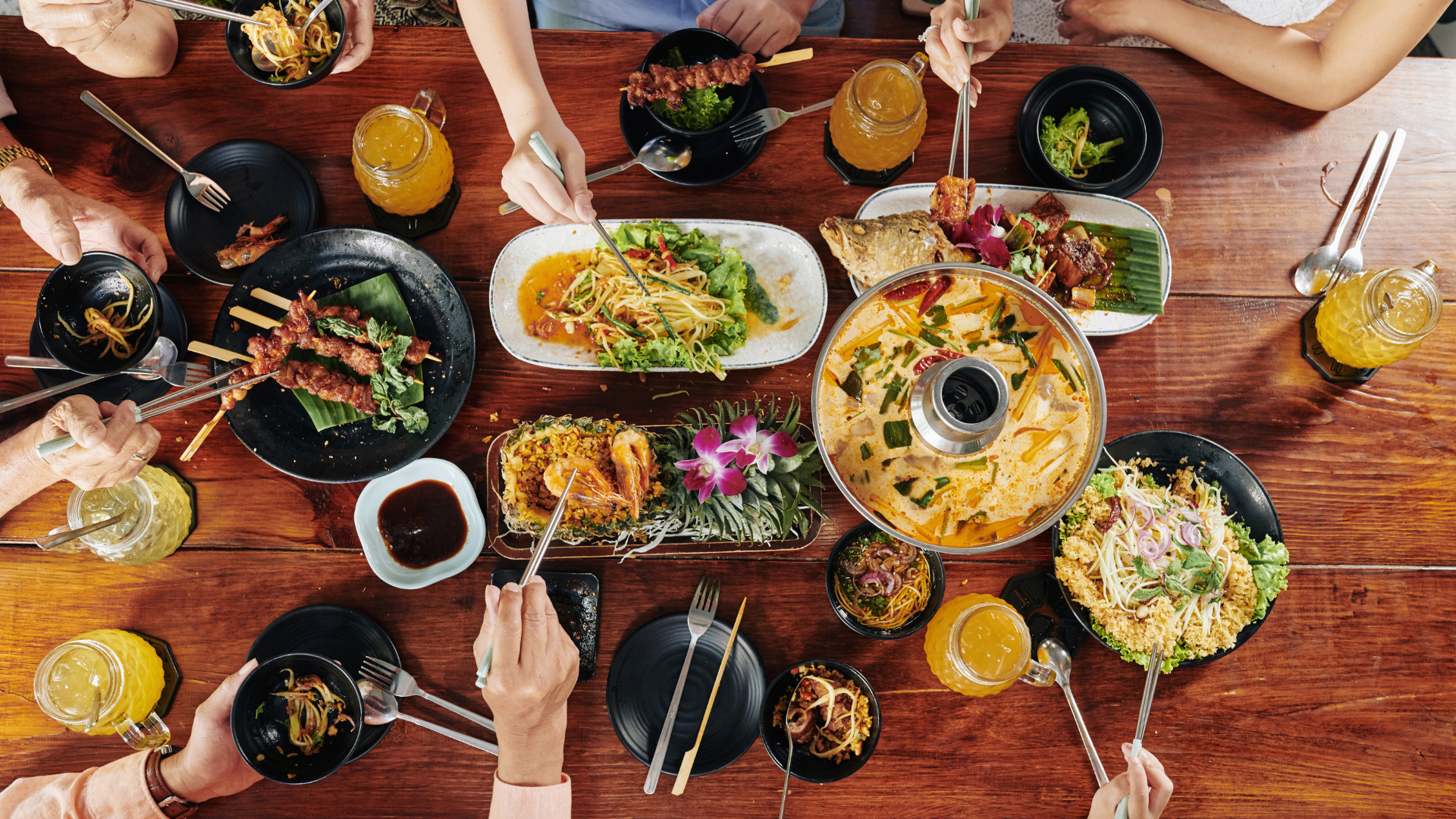
Family-friendly dinner recipes focus on meals that are simple to prepare, nutritious, and appealing to all ages. These recipes balance taste and health while keeping preparation time manageable for busy households.
Choosing dishes that include familiar ingredients and can be easily modified helps ensure everyone at the table enjoys the meal. This approach reduces mealtime stress and encourages family members to eat together more often.
In this article, you will find practical recipe ideas suitable for different tastes and dietary needs, designed to make weeknight dinners both easy and enjoyable.
Key Ingredients for Family-Friendly Dinners
Choosing the right ingredients can make preparing family dinners easier and more enjoyable. Focus on items that provide good nutrition, fit within a budget, and accommodate common dietary restrictions for the best results.
Nutritious Staples
Healthy dinners often start with a base of lean proteins, such as chicken breasts, turkey, or tofu. These are versatile and provide essential amino acids for growth and repair.
Whole grains like brown rice, quinoa, and whole wheat pasta add fiber and sustained energy. Fresh or frozen vegetables—including carrots, spinach, and broccoli—supply vital vitamins and minerals.
Incorporate legumes like lentils and beans to boost fiber intake and plant-based protein. Avoid processed ingredients with excessive sodium or added sugars, focusing instead on fresh, simple foods that promote well-rounded nutrition.
Affordable Choices
Budget-friendly foods allow families to prepare healthy meals without overspending. Staples like rice, pasta, and canned beans are cost-effective and have long shelf lives.
Buying seasonal vegetables reduces cost and ensures freshness. Frozen vegetables and fruits are alternatives that maintain nutritional value and reduce waste.
Consider cheaper protein sources such as eggs, canned tuna, or ground turkey. Purchasing in bulk and meal planning can further stretch resources and avoid last-minute expenses.
Allergy-Friendly Options
Many families need to consider food allergies or intolerances when choosing dinner ingredients. Common allergens include nuts, dairy, gluten, and soy.
Substitutes exist for most allergens: use gluten-free grains like rice or quinoa, dairy alternatives like almond or oat milk, and seed butters instead of nuts. Egg replacements in baking and cooking are also widely available.
Label reading is crucial to avoid hidden allergens. Fresh and whole ingredients generally pose less risk than processed foods. Creating meals from scratch allows better control over allergens and cross-contact.
Meal Planning Tips for Busy Families
Efficient meal planning can cut down stress, save time, and encourage healthier eating habits. Using techniques like organizing prep tasks, engaging children in cooking, and preparing meals in bulk can make weekday dinners smoother and more enjoyable.
Time-Saving Strategies
Group ingredients by type and prep them all at once to speed up cooking. For example, chop vegetables for multiple meals on Sunday afternoon instead of daily.
Keep a list of quick recipes that require minimal ingredients. Meals under 30 minutes with simple cleanup help during busy evenings.
Use kitchen tools like slow cookers or instant pots. These devices allow hands-off cooking, freeing up time for other tasks while food cooks.
Plan meals around overlapping ingredients. Buying in bulk reduces shopping time and cuts waste.
Involving Kids in Meal Prep
Assign age-appropriate tasks to children, like washing veggies, stirring, or setting the table. This builds skills and reduces your workload.
Make meal prep a learning experience by teaching kids about nutrition and cooking safety. Using clear instructions helps maintain focus and interest.
Create a rotating schedule so kids know their roles each day. Consistency helps form helpful habits and develops responsibility.
Turn meal prep into a bonding activity to improve family engagement around food.
Batch Cooking and Freezing
Prepare large quantities of versatile meals like soups, casseroles, or pasta sauces. Portion and freeze them in labeled containers for quick reheating.
Batch cooking saves time on cooking and cleanup. It also reduces last-minute decisions about what to cook.
Use airtight containers or freezer bags to prevent freezer burn and maintain flavor and texture.
Keep an inventory list of frozen meals to track what’s available, preventing duplicate cooking and waste.
Easy One-Pot Recipes
One-pot meals save time on cooking and cleanup, making them ideal for busy families. These recipes combine proteins, vegetables, and grains in a single dish, offering balanced nutrition with minimal effort.
Simple Skillet Dinners
Skillet dinners often start with searing meat, then adding vegetables and liquids to finish cooking together. Ingredients like chicken, ground beef, or sausage work well for quick browning and flavor development. Adding rice, pasta, or potatoes directly to the skillet lets them absorb juices and spices as they cook.
To keep it simple, use pre-chopped vegetables and store-bought sauces. This approach shortens prep time and reduces the steps needed. Season with herbs like thyme or rosemary, and include a splash of broth or canned tomatoes for moisture. Families appreciate the straightforward process and customizable options in skillet meals.
Slow Cooker Meals
Slow cooker recipes focus on layering ingredients and letting them cook low and slow for hours. This results in tender proteins and well-blended flavors without constant supervision. Ideal ingredients include tougher cuts of meat, beans, and root vegetables, which soften perfectly over time.
Set the slow cooker in the morning and return to a hot, ready-to-eat dinner. This one-pot approach minimizes cleanup and allows busy households to have meals ready after a workday. Use simple seasoning blends and avoid overloading with liquid; most moisture comes from vegetables and sauces.
Kid-Approved Main Courses
Family dinners need to be simple, nutritious, and appealing to children. Recipes that balance flavor and familiar ingredients tend to work best for younger eaters.
Homemade Pizza Ideas
Making pizza at home allows customization and involvement from kids in the kitchen. Use whole wheat or cauliflower crusts for added nutrition without sacrificing taste.
Top pizzas with a variety of colorful vegetables like bell peppers and spinach, combined with lean proteins such as grilled chicken or turkey pepperoni. Avoid heavy cheese layers to reduce excess fat.
Try a mini pizza bar where each child assembles their own pie. This encourages creativity and makes dinner interactive. Baking times remain quick, usually 10–12 minutes at 425°F.
Healthy Chicken Dishes
Chicken is a versatile and mild-flavored protein that most kids enjoy. Simple preparations like baked chicken tenders coated in whole-grain breadcrumbs and mild spices offer a crunchy texture without frying.
Another option is a creamy chicken and vegetable casserole using Greek yogurt instead of heavy cream for fewer calories. Add carrots and peas for sweetness and fiber.
Grilled chicken kabobs with bell peppers and cherry tomatoes make eating fun and colorful. These dishes typically require minimal prep and cook time, ideal for busy weeknights.
Vegetarian Family Favorites
Vegetarian meals can be hearty and satisfying with the right protein sources. Beans, lentils, and tofu provide essential nutrients and are easy to season according to kid-friendly tastes.
Macaroni and cheese with steamed cauliflower blended into the sauce sneaks in vegetables without overwhelming the flavor. Consider black bean or chickpea burgers seasoned mildly to appeal to kids.
Stuffed bell peppers with quinoa, tomatoes, and cheese offer a complete meal that’s visually attractive and balanced. These dishes emphasize simple ingredients prepared in familiar ways to support picky eaters.
Budget-Friendly Dinner Ideas
Focusing on simple ingredients and versatile pantry staples can create satisfying meals without overspending. Using affordable carbs like pasta and rice allows stretching ingredients while keeping meals hearty and tasty.
Affordable Pasta Meals
Pasta is a low-cost, filling base that pairs well with various sauces and vegetables. A classic tomato sauce made from canned tomatoes, garlic, and onions is economical and flavorful. Adding frozen spinach or canned beans increases nutrition without extra cost.
Using whole wheat or generic-brand pasta can reduce expenses further. Recipes like pasta primavera with seasonal vegetables or a simple garlic and oil dressing are quick and budget-friendly.
Tip: Cook pasta in large batches and add different sauces throughout the week to save time and money while keeping dinners diverse.
Rice-Based Dishes
Rice is one of the cheapest staple foods and can be used in many ways to create nutritious dinners. Stir-fried rice with eggs, leftover vegetables, and soy sauce is a low-cost option that prevents food waste.
Slow-cooked rice and beans combine protein and carbs affordably, making a balanced meal. Using brown rice can increase fiber and nutrients without much extra cost.
Budget table for rice meals:
| Ingredient | Cost per serving | Notes |
| Rice | $0.15 | Buy in bulk for savings |
| Canned beans | $0.30 | Source of protein |
| Frozen veggies | $0.50 | Available year-round |
| Eggs | $0.20 | Optional protein addition |
Quick Weeknight Meals
Efficient preparation and minimal cleanup are key when cooking on busy weeknights. Meals that use a few ingredients and one-pan cooking methods save time without sacrificing flavor or nutrition.
30-Minute Recipes
Dishes ready in 30 minutes or less help families eat fresh with limited time. Simple pasta dishes with vegetables and lean protein are popular options. Stir-fries using pre-cut veggies and thinly sliced meat cook quickly and balance carbs, protein, and fiber.
Examples include chicken Alfredo with steamed broccoli or beef and bell pepper stir-fry over brown rice. Using store-bought sauces or pre-chopped ingredients speeds up prep. Focus on recipes needing one or two pots or pans to keep cleanup fast.
Sheet Pan Dinners
Sheet pan meals simplify cooking by combining protein and vegetables on a single baking tray for roasting. This method allows even cooking and easy portion control. Common combinations include salmon with asparagus and baby potatoes or chicken thighs with carrots and Brussels sprouts.
Place ingredients in a single layer, season well, and roast at 400°F (204°C) for 20-30 minutes. This style requires little active cooking and minimal cleanup, making it ideal for weeknight schedules.
Comfort Food Classics Made Healthier
Traditional comfort foods can be adapted to include more nutritious ingredients without sacrificing flavor. Simple swaps and cooking methods lower calories and boost vitamins, making these dishes family-friendly and satisfying.
Lightened-Up Casseroles
Casseroles often rely on heavy creams and cheeses, but these can be replaced with lighter alternatives. Using low-fat dairy or pureed vegetables, like cauliflower or butternut squash, maintains creaminess while reducing fat content.
Incorporate whole grains such as brown rice or quinoa instead of white rice or pasta to increase fiber. Adding lean proteins like skinless chicken, turkey, or beans enhances nutrition and satiety.
For extra flavor, herbs, mustard, or a small amount of sharp cheese can replace some salt. Baking casseroles uncovered toward the end crisps the top without extra fat.
Healthier Mac and Cheese
Traditional mac and cheese is high in saturated fat and calories. Substitute full-fat cheese with reduced-fat cheddar or a blend of cheeses to cut down on fat.
Use whole wheat or legume-based pasta to increase fiber and protein. Incorporate pureed vegetables like butternut squash or cauliflower into the cheese sauce to add nutrients and creaminess without changing texture.
Avoid heavy cream by using unsweetened almond milk or low-fat milk. Baking the dish with a topping of whole wheat breadcrumbs mixed with a little Parmesan provides a crunchy, flavorful crust with less fat than traditional buttered crumbs.
Creative Ways to Use Leftovers
Leftovers can be transformed into new, exciting meals with simple techniques. Using what you have on hand saves time and reduces waste, making weeknight dinners easier.
For example, roasted vegetables can be chopped and tossed into omelets or quesadillas. Cooked proteins like chicken or beef work well in wraps, salads, or stir-fries.
Here are some ideas to try:
| Leftover Type | Creative Use | Notes |
| Cooked Rice | Fried rice with veggies | Add soy sauce and eggs |
| Grilled Chicken | Chicken salad or tacos | Mix with fresh veggies |
| Mashed Potatoes | Potato cakes or soup base | Add herbs and fry or blend |
| Steamed Vegetables | Vegetable frittata or pasta | Combine with cheese or sauce |
Another tip: combine different leftovers for a casserole or bake. This can turn small amounts of food into a filling dinner.
Using leftovers in this way keeps meals varied and interesting without requiring extra cooking time. Keep a few staple ingredients on hand to enhance these dishes quickly.
Tips for Picky Eaters
When cooking for picky eaters, start by introducing new foods alongside familiar favorites. This can reduce resistance and make meals less intimidating. Small portions of new items encourage tasting without pressure.
Presentation matters. Cutting vegetables into fun shapes or serving food on colorful plates can make the meal more appealing. Texture is often a concern, so try different cooking methods like roasting, steaming, or pureeing to find what works best.
Use a simple ingredient list to avoid overwhelming flavors. Season lightly at first and adjust based on feedback. Offering dips or sauces on the side allows for customization.
| Strategy | Benefit |
| Mix the new with the familiar | Easier acceptance |
| Fun presentation | Visual appeal increases interest |
| Mild seasoning | Reduces overwhelming taste |
| Side sauces/dips | Customizable flavor |
Avoid forcing children to eat specific foods, as this can create negative associations. Instead, involve them in meal preparation, which often increases willingness to try dishes. Consistency and patience are key to building positive eating habits.
Balanced Nutrition for the Whole Family
Balanced nutrition is essential for family meals, ensuring everyone gets the nutrients they need. A good dinner includes a variety of food groups to support energy, growth, and overall health.
Focus on including proteins, vegetables, whole grains, and healthy fats in every meal. Proteins like chicken, fish, beans, or tofu help build and repair body tissues. Vegetables provide vitamins, minerals, and fiber, which aid digestion.
Whole grains such as brown rice, quinoa, or whole wheat pasta add sustained energy without the sugar spikes. Healthy fats found in avocado, nuts, and olive oil are important for brain health and nutrient absorption.
Here is a simple guide to portion balance for a family dinner:
| Food Group | Portion per Plate | Examples |
| Proteins | ¼ of the plate | Lean meats, beans, tofu |
| Vegetables | ½ of the plate | Broccoli, carrots, spinach |
| Whole Grains | ¼ of the plate | Brown rice, whole wheat bread |
| Healthy Fats | Small portions | Olive oil drizzle, nuts |
Using this structure helps prepare meals that meet nutritional needs without complexity. Rotate different foods within each group for variety and to cover different vitamins and minerals.
Encouraging family members to try new vegetables or whole grains can improve nutrient intake and make meals more interesting. Keep seasonings simple and flavors balanced for broad appeal.