
Busy days often leave little time for preparing nutritious meals, leading many to reach for quick, unhealthy snacks. Healthy snacks that are easy to prepare and portable can keep energy levels steady without sacrificing nutrition.
Choosing snacks with a balance of protein, fiber, and healthy fats helps maintain focus and avoid energy crashes. This guide will share practical options that support a busy lifestyle without complicating your routine.
Benefits of Healthy Snacks for Busy Days
Choosing the right snacks can help maintain steady energy, meet daily nutrition needs, and enhance cognitive performance. Smart snacking supports both physical and mental demands during hectic schedules.
Sustaining Energy Levels
Healthy snacks provide a balanced mix of carbohydrates, proteins, and fats that release energy steadily. This prevents the sudden energy drops caused by sugary, processed snacks, which can lead to fatigue and reduced productivity.
Options like nuts, yogurt, or whole fruit help maintain blood sugar levels. This consistent fuel supports prolonged activity and reduces cravings for less nutritious options. Hydrating foods such as cucumbers or watermelon also contribute to energy by supporting bodily functions.
Eating at regular intervals with nutrient-dense snacks keeps metabolism active. It avoids the sluggish feeling that often follows skipped meals or long gaps between eating.
Supporting Nutritional Goals
Busy days often lead to inadequate nutrient intake. Healthy snacks help fill gaps in vitamins, minerals, and fiber that might be missed during rushed meals.
Incorporating snacks rich in calcium, vitamin C, and antioxidants supports the immune system and overall health. For example, carrot sticks with hummus provide fiber and plant protein, fostering digestive health.
Selecting snacks with whole-food ingredients and minimal added sugars aligns closely with nutritional recommendations. This approach aids in controlling weight, managing blood sugar, and reducing the risk of chronic diseases.
Promoting Mental Focus
Cognitive function benefits from snacks that stabilize glucose levels and provide brain-friendly nutrients. Foods high in omega-3 fatty acids, such as walnuts or flaxseeds, support memory and concentration.
Complex carbohydrates in whole grains prevent energy spikes and crashes that impair mental clarity. Magnesium-rich snacks like pumpkin seeds can help reduce stress and maintain calm focus under pressure.
Maintaining hydration through water-rich fruits and vegetables also affects alertness. Overall, healthy snacking can sustain mental sharpness during prolonged periods of work or study.
Essential Qualities of Nutritious Snacks
Nutritious snacks should provide energy and nourishment without complicating your day. They must fit into busy lifestyles while supporting overall health.
Balanced Macro and Micronutrients
A healthy snack includes a balance of carbohydrates, protein, and fats. Carbohydrates offer quick energy, while protein supports muscle repair and satiety. Healthy fats contribute to brain function and prolonged fullness.
Micronutrients like vitamins and minerals are vital for metabolic processes and immunity. For example, snacks rich in vitamin C, magnesium, or fiber can support digestion and energy levels.
Choose options like nuts with fruit, yogurt with seeds, or whole-grain crackers with cheese. These combinations ensure you get a mix of macronutrients and essential micronutrients in one serving.
Portability and Convenience
Busy days require snacks that are easy to carry and consume without extensive preparation. Portable snacks reduce the likelihood of skipping important nutrients.
Look for items that stay fresh at room temperature, such as trail mix, protein bars, or pre-cut vegetables. Single-serving packaging can simplify grab-and-go moments and control portion sizes.
Avoid foods that are messy or require utensils, ensuring you can snack quickly between tasks. Being mindful of convenience encourages consistency in healthy snacking habits.
Low Added Sugar and Healthy Fats
Minimizing added sugars is key to maintaining stable blood sugar and avoiding energy crashes. Many packaged snacks contain high levels of refined sugar, which offers little nutritional value.
Focus on snacks with natural sugars, like fresh fruit or unsweetened yogurt. These provide sweetness without excessive sugar content.
Healthy fats, such as those from avocados, nuts, or olive oil, support heart health and cognitive function. Including fats improves taste and satiety without compromising nutrition.
Reading labels helps identify snacks with low sugar and quality fat sources, ensuring healthier choices for sustained energy.
Quick and Easy Snack Ideas
Choosing snacks that are both convenient and nutritious can keep energy levels steady during busy days. These options focus on simple preparation, accessibility, and fresh ingredients.
Simple Homemade Options
Preparing snacks at home saves time and allows control over ingredients. Greek yogurt with honey and almonds combines protein and healthy fats for sustained energy.
Another quick choice is whole-grain toast topped with avocado and a sprinkle of salt. It requires minimal prep and provides fiber and healthy fats.
For a sweet option, banana slices with peanut butter offer potassium and protein. These snacks can be made in under five minutes.
Batch-prep items like energy balls made from oats, nut butter, and seeds store well and provide quick grab-and-go nutrition.
Grab-and-Go Store-Bought Snacks
Some pre-packaged snacks can suit busy schedules if you choose wisely. Look for options with minimal added sugar and recognizable ingredients.
Examples include mixed nuts, whole-grain crackers, and protein bars with at least 5 grams of protein per serving. These provide energy without heavy processing.
Pre-packaged hummus with baby carrots or pita chips combines convenience and nutrients in one portion. String cheese or hard-boiled eggs are also widely available, portable protein sources.
Avoid snacks with excessive preservatives or high added sugar to maintain a balanced diet throughout the day.
Fresh Produce Pairings
Fresh fruits and vegetables are quick, hydrating, and rich in vitamins. Pairing them with protein or fat improves satiety.
Try apple slices with almond butter, or cucumber sticks paired with cottage cheese. These combinations balance carbohydrates and protein effectively.
Baby carrots and cherry tomatoes can be eaten as is or combined with dips like guacamole or tzatziki for added flavor and nutrients.
Fresh produce requires minimal prep and can easily fit in a small container or bag for busy days on the move.
Meal Prep Strategies for Busy Lifestyles
Organizing snacks ahead of time helps save time while ensuring balanced nutrition. Efficient techniques focus on preparing multiple items at once and controlling portions to avoid waste.
Batch Preparation Techniques
Prepare snack ingredients in large quantities to reduce daily effort. Wash, chop, or cook items like vegetables, nuts, or boiled eggs all at once. Store them in airtight containers labeled with dates to maintain freshness.
Use freezer-friendly options such as homemade energy bars or fruit portions. These can be thawed quickly before use. Investing in stackable containers optimizes fridge and freezer space, making snacks easy to find.
Choose versatile ingredients like hummus or yogurt dips that pair well with various veggies or crackers. This variety keeps snacks interesting without needing different prep for each day.
Portion Control Tips
Divide snacks into single-serving containers or bags immediately after preparation. Using portion-controlled containers or small reusable bags helps prevent overeating and makes busy days simpler.
Measure items like nuts, seeds, or dried fruit to standard servings to maintain calorie awareness. Labeling portions can be useful, especially when managing weight or dietary goals.
Create snack packs with a mix of protein, fat, and carbs to provide sustained energy. For example, combine a handful of almonds, a piece of fruit, and a small cheese cube. This balances nutrients without extra effort during the day.
Healthy Snack Options by Dietary Preference
Selecting snacks that meet specific dietary needs can enhance energy levels and support overall health. Options vary widely based on dietary preferences, emphasizing different nutrient profiles and ingredient restrictions.
Plant-Based Choices
Plant-based snacks focus on whole-food, minimally processed ingredients that provide fiber, vitamins, and minerals. Fresh fruit slices paired with nut butters deliver natural sugars and healthy fats. Roasted chickpeas and mixed nuts offer protein and crunch without animal products.
Vegetable sticks with hummus or guacamole combine fiber and healthy fats, helping sustain fullness. Energy bars made from seeds, oats, and dried fruits can supply quick nutrition but should be checked for added sugars and artificial additives.
Plant-based yogurts made from coconut, almond, or soy milk provide probiotics but vary in protein content. Choose unsweetened varieties and consider adding fresh fruit for flavor and nutrients.
High-Protein Selections
High-protein snacks support muscle maintenance and prolonged satiety. Greek yogurt with a handful of walnuts or pumpkin seeds is a practical choice, boasting 15+ grams of protein per serving. Hard-boiled eggs also pack around 6 grams of high-quality protein, making them ideal for quick consumption.
Beef or turkey jerky offers a portable, shelf-stable option rich in protein, but check the sodium content. Cottage cheese with sliced cucumber or cherry tomatoes combines protein with hydration and fiber.
Protein bars with at least 10 grams of protein and minimal added sugar serve as emergency options. Opt for bars with recognizable ingredients like whey, pea protein, or egg whites for better nutritional quality.
Nut-Free Alternatives
Nut allergies require careful snack selection that avoids tree nuts and peanuts. Seeds such as pumpkin, sunflower, and flax seeds provide healthy fats and protein for nut-free diets. Seed-based butters, like sunflower seed butter, can replace traditional nut butters.
Dairy products like yogurt, cheese sticks, and cottage cheese offer nutrient-dense, nut-free snacking that includes calcium and protein. Roasted chickpeas and edamame provide plant protein without nuts.
Fresh fruit paired with seed butters or whole-grain crackers ensures fiber intake without allergen risk. Pre-packaged nut-free snack bars should be chosen with attention to labels to prevent cross-contamination.
Smart Snacking Habits On the Go
Choosing the right moments to eat and staying properly hydrated are essential for effective snacking during busy days. These habits support sustained energy and prevent unnecessary hunger or fatigue.
Timing Snacks for Maximum Benefit
Snack timing should complement meal schedules to maintain energy and focus. Aim to eat a snack 2-3 hours after your last meal to stabilize blood sugar levels without reducing your appetite for the next main meal.
Mid-morning and mid-afternoon are ideal snack times to prevent energy dips. Avoid snacking too close to mealtimes, which can lead to overeating or poor digestion.
Choose snacks with a balance of protein, fiber, and healthy fats to prolong fullness. Examples include a small handful of nuts with fruit or Greek yogurt with seeds. This combination helps manage hunger and keeps concentration steady.
Staying Hydrated
Dehydration can often be mistaken for hunger, increasing unnecessary snacking. Drink water regularly throughout the day, aiming for about 8 cups daily, or adjusting based on activity level and climate.
Carry a reusable water bottle to remind yourself to drink on the go. Herbal teas or infused water offer variety without added sugars or calories.
Avoid excessive caffeinated or sugary drinks, as they can contribute to dehydration and energy crashes. Pairing water intake with healthy snacks optimizes both energy and cognitive function during busy schedules.
Common Pitfalls and How to Avoid Them
Many snacks contain unexpected ingredients that can undercut their health value. Identifying these hidden elements and controlling eating habits can improve energy and nutrition on busy days.
Hidden Sugars in Packaged Snacks
Packaged snacks often contain added sugars that are not obvious. Look for terms like sucrose, fructose, maltose, and corn syrup on ingredient labels. These can increase calorie intake without satiating hunger.
Fruit-flavored snacks, granola bars, and yogurt can have more sugar than fresh fruit. Even products labeled “low-fat” or “natural” may contain high sugar levels.
To avoid hidden sugars:
- Choose snacks with less than 5 grams of sugar per serving.
- Prefer whole foods like nuts, seeds, and fresh fruit.
- Check nutrition facts for total carbohydrate and added sugars separately.
Mindless Snacking Triggers
Eating without awareness can lead to excess calorie consumption. Common triggers include stress, boredom, or eating while distracted by screens.
Set specific snack times rather than grazing throughout the day. Portion snacks in advance to avoid overeating. Use smaller plates or containers to control serving sizes.
Consider these actions to manage mindless snacking:
- Keep snacks out of direct sight.
- Drink water before snacking to assess real hunger.
- Practice mindful eating by focusing solely on the snack and chewing slowly.
Incorporating Variety for Long-Term Success
Including a range of healthy snacks keeps your diet balanced and prevents boredom. Different foods provide unique nutrients essential for overall health.
Rotate snacks that combine protein, fiber, and healthy fats. Examples include:
- Greek yogurt with berries
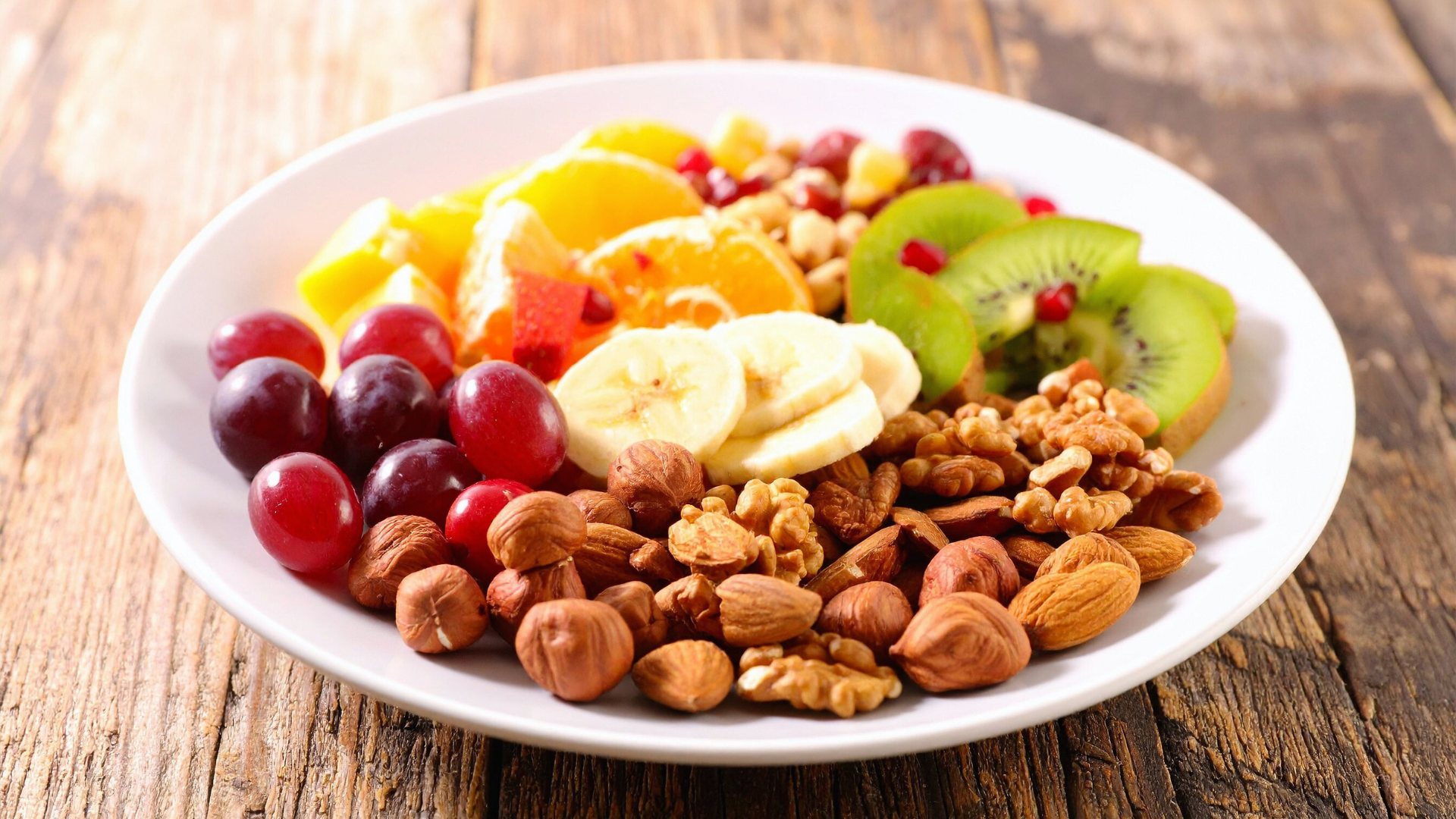
- Mixed nuts and dried fruit
- Hummus with carrot sticks
Variety also helps maintain energy levels and supports sustained focus during busy days. Eating the same snack repeatedly may lead to nutrient gaps.
Consider seasonal produce for fresh options. Adjust snacks according to availability to enjoy natural flavors and maximize nutrients.
Use this simple table as a guide to mix and match snacks:
| Snack Type | Examples | Benefits |
| Protein | Hard-boiled eggs, cheese sticks | Muscle repair, satiety |
| Fiber | Fresh fruit, raw vegetables | Digestion, fullness |
| Healthy Fat | Avocado, nuts, seeds | Brain health, energy |
Planning a variety of snacks in advance can reduce the temptation to choose less healthy options. Keeping multiple choices accessible supports consistent eating habits.