

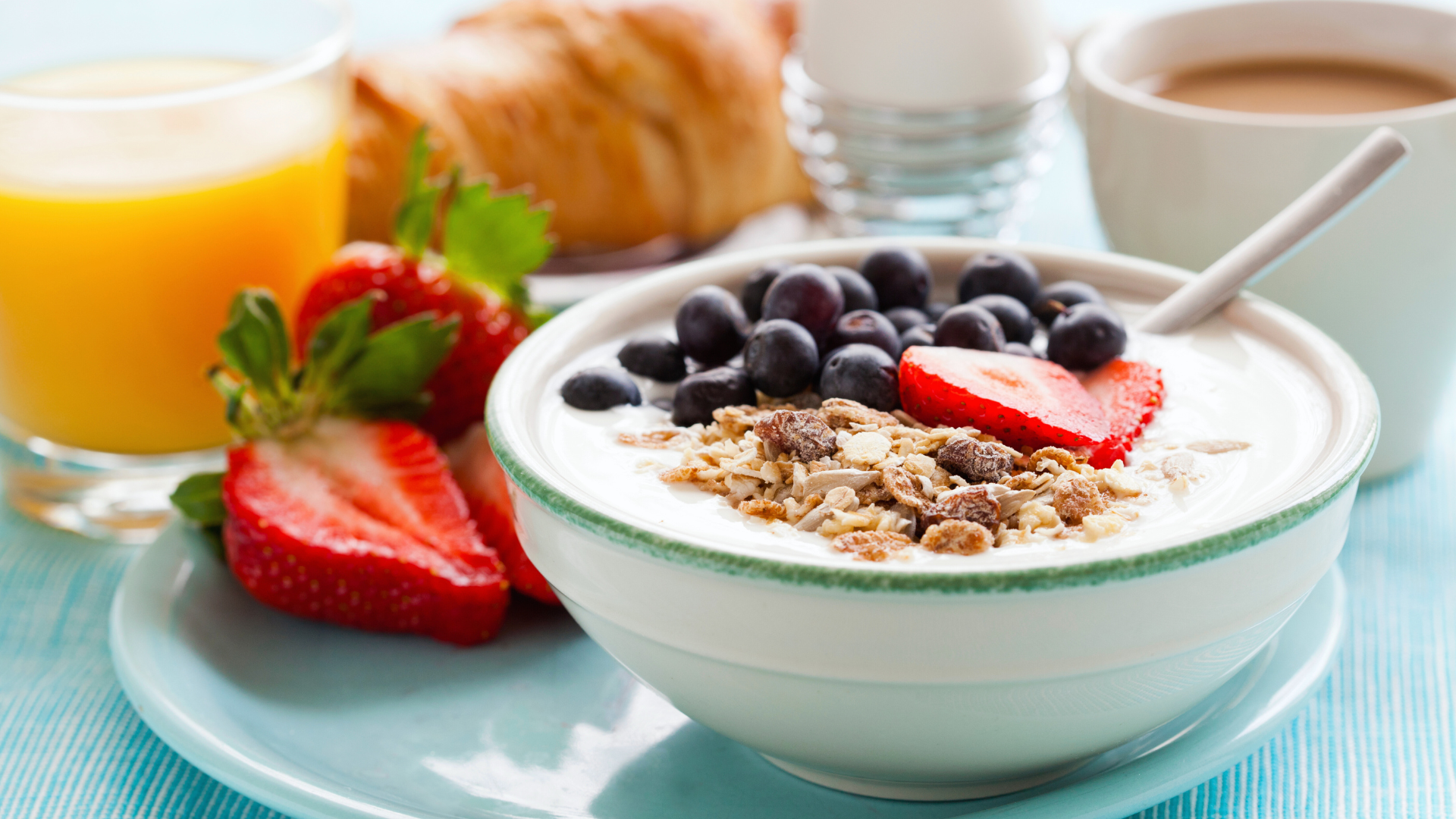
Starting your day with a healthy breakfast can improve concentration, energy levels, and overall well-being. Healthy breakfast ideas often include a balance of protein, fiber, and healthy fats to keep you full and energized through the morning.
Simple options like Greek yogurt with fruit, oatmeal topped with nuts, or whole-grain toast with avocado make quick and nutritious choices. Planning your breakfast with these elements can make mornings easier and more productive.
Benefits of a Healthy Breakfast
Eating a balanced breakfast sets the tone for the entire day. It influences how the body processes energy, affects brain function, and can play a key role in maintaining a healthy weight.
Impact on Energy and Metabolism
A nutritious breakfast replenishes glucose levels, the body’s main energy source after fasting overnight. This helps maintain stable blood sugar, preventing mid-morning energy crashes.
Including a mix of complex carbohydrates, protein, and healthy fats supports steady energy release. For example, oatmeal with nuts and fruit provides fiber and protein that slow digestion and sustains energy.
Skipping breakfast often leads to increased hunger and overeating later, which can disrupt metabolic balance. Regular morning meals improve metabolism by signaling the body to begin calorie burning efficiently for the day.
Cognitive and Mood Enhancement
Breakfast affects concentration, memory, and mood throughout the morning hours. Consuming nutrients like B vitamins, iron, and omega-3 fatty acids supports brain function and neurotransmitter activity.
Studies show that people who eat breakfast perform better on cognitive tasks and report improved alertness. For children and adults alike, this meal supports focus, learning, and emotional stability.
Avoiding breakfast can increase irritability and fatigue, reducing productivity. A healthy breakfast injects essential nutrients that help regulate mood and maintain mental clarity.
Support for Weight Management
Eating a balanced breakfast can help control appetite and reduce unhealthy snacking. Protein-rich foods at breakfast increase feelings of fullness and reduce cravings for high-calorie items later.
Research indicates that people who eat breakfast regularly tend to have healthier body weights. Skipping this meal may lead to overeating or choosing sugary, processed foods out of increased hunger.
A smart breakfast focuses on whole grains, lean protein, and fruits or vegetables. This combination supports metabolism and calorie control without excessive calorie intake.
Essential Components of a Nutritious Breakfast
A nutritious breakfast includes a range of elements that provide sustained energy and support bodily functions. Key factors focus on the right balance of nutrients, important vitamins and minerals, and maintaining proper hydration to start the day effectively.
Balanced Macronutrients
Breakfast should include a proper balance of carbohydrates, proteins, and fats to fuel the body and brain. Complex carbohydrates such as whole grains release energy slowly, preventing blood sugar spikes. Examples include oats, whole wheat bread, and quinoa.
Protein supports muscle repair and keeps hunger at bay. Good breakfast sources are eggs, Greek yogurt, nuts, or lean turkey. Healthy fats from avocado, nuts, or olive oil play a role in brain health and hormone regulation.
A simple formula to follow is:
| Macronutrient | Recommended Sources | Function |
| Carbohydrates | Whole grains, fruits | Energy |
| Protein | Eggs, dairy, nuts | Satiety, muscle maintenance |
| Fats | Avocado, seeds, olive oil | Brain function, hormone balance |
Vitamins and Minerals
Incorporating fruits and vegetables ensures intake of essential vitamins and minerals. Vitamin C from citrus fruits aids immune defense, while potassium from bananas supports muscle and nerve function.
Breakfast options rich in micronutrients include berries, spinach, and tomatoes. Incorporating variety avoids deficiencies and improves overall nutrient density.
Certain minerals, like calcium and iron, are critical as well. Dairy products, fortified plant-based milk, and leafy greens deliver calcium. Iron can be sourced from fortified cereals or lean meats. Combining iron-rich foods with vitamin C enhances absorption.
Hydration in the Morning
Hydration after sleep is crucial for cognitive and physical performance. Drinking water within 30 minutes of waking helps rehydrate the body. A typical recommendation is 8 to 12 ounces of water to start.
Additional fluids like herbal tea or diluted fruit juice can contribute, but avoid excessive caffeine or sugary drinks. Proper hydration facilitates digestion and supports metabolic processes from the start of the day.
Quick and Easy Healthy Breakfast Ideas
Starting your day with nutrient-rich options doesn’t have to be complicated. Simple ingredients combined smartly can boost energy, support digestion, and keep you full until lunch.
Overnight Oats Variations
Overnight oats are prepared by soaking rolled oats in milk or a milk alternative overnight. This method saves time and enhances digestion by softening the oats.
Common bases include almond milk, Greek yogurt, or regular milk. Add-ins like chia seeds, cinnamon, or vanilla extract improve flavor and nutrition. Fresh fruit such as berries, bananas, or applesintroducese natural sweetness and vitamins.
For a protein boost, consider mixing in nut butter, protein powder, or chopped nuts. Portion control is easy—use a 1:1 ratio of oats to liquid. Store in the fridge to keep the oats fresh and ready by morning.
Smoothie Bowls and Blends
Smoothie bowls combine fruits, vegetables, and often a protein source into a thick blend. Their visual appeal is matched by the concentration of vitamins and minerals found in their fresh ingredients.
Start with a frozen fruit base like mango, berries, or banana for texture. Add leafy greens or avocado for healthy fats and fiber. Protein can come from Greek yogurt, protein powder, or nut butter.
Top with seeds, nuts, granola, or sliced fruit to add crunch and sustained energy. Using unsweetened liquids such as coconut water or almond milk maintains a low sugar content.
Greek Yogurt Parfaits
Greek yogurt parfaits layer creamy yogurt with fresh fruit and crunchy toppings. This breakfast is rich in protein and probiotics, promoting muscle repair and digestive health.
Use plain, unsweetened Greek yogurt to control sugar levels. Layer it with seasonal fruits like strawberries, peaches, or kiwi for antioxidants and flavor. Add granola or toasted nuts for fiber and texture.
For sweetness, drizzle a small amount of honey or maple syrup if desired. These parfaits can be prepared the night before, making them a convenient option for busy mornings.
Protein-Packed Breakfast Options
Starting the day with a robust source of protein supports muscle repair and sustains energy levels. Incorporating eggs, nuts, seeds, or specialized pancakes ensures breakfast is both nutritious and filling.
Egg-Based Dishes
Eggs are a versatile and complete protein source, each containing about 6 grams of protein. Scrambled eggs with spinach or peppers can boost nutrient density without adding many calories.
Hard-boiled eggs are convenient for on-the-go meals, while an omelet packed with vegetables helps increase protein and fiber intake. Cooking eggs with minimal oil or butter keeps the dish light.
Including egg whites can raise protein content without increasing fat. A two-egg breakfast often provides sufficient protein to keep hunger at bay until lunchtime.
Nut and Seed Additions
Nuts and seeds add not only protein but also healthy fats and fiber. Common choices like almonds, walnuts, chia seeds, and flaxseeds can be sprinkled onto yogurt, oatmeal, or smoothies.
Just one tablespoon of chia or flaxseeds adds roughly 3 grams of protein and a dose of omega-3 fatty acids. Nuts such as almonds offer about 6 grams of protein per ounce.
They also contribute crunch and texture to meals, enhancing overall eating satisfaction. Portion control is important since nuts and seeds are calorie-dense.
High-Protein Pancakes
High-protein pancakes often use alternative flours like almond or oat flour combined with protein powders or cottage cheese. These ingredients can raise protein content to 15-20 grams per serving.
Recipes may include eggs or Greek yogurt to improve texture and protein level. Toppings like nut butter or a dollop of Greek yogurt increase protein further.
This breakfast option can suit those who prefer a sweet start without sacrificing nutrition. Choosing low-sugar recipes balances macronutrients effectively.
Whole Grain and Fiber-Rich Morning Meals
Incorporating whole grains and fiber into breakfast supports digestion and sustains energy. Choosing the right ingredients and toppings can enhance these benefits while keeping meals flavorful and satisfying.
Whole Grain Toast and Toppings
Whole-grain toast provides complex carbohydrates and fiber, making it a solid base for a nutritious breakfast. Look for bread labeled “100% whole grain” or “whole wheat” to ensure maximum fiber content.
Popular toppings can include mashed avocado, which adds healthy fats and fiber. Nut butters like almond or peanut butter contribute protein and additional fiber. For extra vitamins, add sliced fruits such as bananas or berries.
Avoid high-sugar spreads to keep the meal balanced. A sprinkle of chia seeds or flaxseeds can further boost fiber and omega-3 intake without altering taste significantly.
Muesli and Homemade Granola
Muesli is a mixture of raw oats, nuts, and dried fruits, offering a natural source of fiber and energy. Unlike many store-bought granolas, muesli typically contains less added sugar and fewer processed ingredients.
Homemade granola allows control over sugar and fat content. Combine rolled oats, nuts (walnuts, almonds), seeds (pumpkin, sunflower), and minimal honey or maple syrup before baking at a low temperature to keep nutrients intact.
Serve both muesli and granola with yogurt or milk for added protein and calcium. Add fresh fruits like apple slices or berries for extra fiber and antioxidants. This combination creates a filling and balanced meal ideal for busy mornings.
Vegan and Plant-Based Breakfast Solutions
Plant-based breakfasts can be nutrient-dense and satisfying. They often focus on protein alternatives and natural sweetness from fruits to provide balanced energy for the morning.
Tofu Scrambles
Tofu scrambles offer a versatile, protein-rich option that mimics the texture of scrambled eggs. Use firm tofu, drained and crumbled, then sauté with vegetables like spinach, bell peppers, and onions.
Season with turmeric for color, nutritional yeast for a cheesy flavor, and black salt (kala namak) to add an egg-like sulfur taste. Cooking the scramble on medium heat prevents the tofu from drying out.
This dish provides approximately 15-20 grams of protein per serving and is rich in iron and calcium, making it a healthy and filling plant-based choice.
Nut Butter & Fruit Combinations
Pairing nut butters with fruits creates a breakfast rich in healthy fats, fiber, and natural sugars. Common options include almond or peanut butter spread on banana slices or apple wedges.
This combination supports sustained energy release and provides essential nutrients like potassium, vitamin E, and magnesium. Adding a sprinkle of chia seeds or hemp hearts boosts omega-3 fatty acids and protein content.
Nut butter and fruit combos are quick to prepare and portable, making them ideal for busy mornings. Use natural, unsweetened nut butters to keep sugar and additives low.
Gluten-Free Breakfast Inspirations
Healthy gluten-free options can be both satisfying and simple to prepare. These choices focus on nutrient density and natural ingredients without compromising flavor or texture.
Chia Seed Pudding
Chia seed pudding is rich in fiber and omega-3 fatty acids, making it a nutritious gluten-free breakfast. To prepare, soak 3 tablespoons of chia seeds in 1 cup of almond milk or any preferred dairy-free milk overnight. This allows the seeds to absorb the liquid and create a pudding-like texture.
Sweeten with a teaspoon of honey or maple syrup if desired. Add fresh fruits such as berries or sliced bananas for natural sweetness and extra vitamins. Chia pudding can also be topped with nuts and seeds to enhance protein and healthy fat content. Its simplicity and flexibility make it a convenient option for busy mornings.
Gluten-Free Muffins
Gluten-free muffins offer a filling and portable breakfast choice. Use gluten-free flour blends made from rice flour, almond flour, or oat flour to maintain structure and taste. Adding ingredients like mashed bananas or applesauce helps retain moisture without gluten’s binding properties.
Incorporate nuts, seeds, or dried fruits for additional texture and nutrients. Baking powder ensures the muffins rise properly, creating a light crumb. Recipes can easily be adapted to be dairy-free or sugar-free based on dietary needs. Store-bought versions often contain additives, so homemade muffins are preferable for better control over ingredients.
Meal Prep Strategies for Busy Mornings
Effective meal prep makes healthy breakfasts easy and quick. Focusing on bulk cooking and ready-to-go options saves time and reduces stress.
Batch Cooking Breakfasts
Batch cooking involves preparing large quantities of breakfast items in advance. Foods like egg muffins, oatmeal cups, and homemade granola bars can be made over the weekend and stored in the fridge or freezer. This allows for portion control and consistent nutrition.
Using airtight containers helps maintain freshness for several days. Labeling meals with dates ensures food safety and prevents waste. Reheating in a microwave or oven takes just minutes, so mornings stay efficient without skipping a balanced meal.
Portable Grab-and-Go Ideas
Grab-and-go breakfasts are ideal for busy schedules or when eating outside the home. Options like yogurt parfaits in jars, fruit and nut packs, or whole-grain toast with nut butter require minimal preparation and transport well.
Investing in reusable containers or insulated travel mugs keeps these items fresh and easy to carry. Planning these ahead of time avoids rushed or unhealthy choices and supports sustained energy throughout the morning.
Tips for Customizing Breakfasts to Dietary Needs
Adapting breakfast to meet specific dietary requirements is essential for maintaining health and enjoyment. Focus on ingredient choices and cooking methods that align with your personal nutrition goals and restrictions.
Low-Sugar and Low-Carb Choices
Choose whole foods like eggs, nuts, and avocados to reduce sugar and carbs. Replace sugary cereals with oatmeal topped with chia seeds or berries, which offer fiber without added sugars.
Avoid fruit juices and sweetened yogurts; instead, opt for plain Greek yogurt with a few fresh raspberries. Use natural sweeteners sparingly, such as stevia or erythritol, when needed.
Incorporate vegetables into omelets or smoothies for extra nutrients with minimal carbohydrates. Monitoring portions of carbs like bread or potatoes ensures blood sugar stays stable.
Allergy-Friendly Substitutions
Identify common allergens like gluten, dairy, nuts, and eggs before planning breakfast. For gluten intolerance, swap wheat bread with rice cakes, gluten-free toast, or rolled oats that are certified gluten-free.
Use plant-based milk alternatives such as almond, oat, or soy milk instead of cow’s milk. For egg allergies, mashed bananas, chia seeds, or flaxseeds mixed with water serve as effective binding agents in baking recipes.
When nuts are off-limits, substitute with seeds such as sunflower or pumpkin seeds to retain crunch and nutrients. Always read labels to avoid hidden allergens in pre-packaged items.
Seasonal and Regional Breakfast Inspirations
Using fresh, local ingredients can enhance the taste and nutritional value of breakfast. Tailoring meals to the seasons helps take advantage of peak produce and supports sustainable eating habits.
Incorporating Local Ingredients
Local ingredients provide freshness and nutritional benefits often lost in transported foods. Examples include using wild blueberries in Maine or fresh avocados in California. These choices support local farmers and reduce environmental impact.
Consider integrating:
- Regional grains like quinoa in the Southwest
- Fresh dairy from local farms
- Seasonal nuts and seeds native to your area
Local honey can replace processed sweeteners, adding natural flavor and potential health benefits. Simple swaps like these create breakfasts that reflect the place you live while maintaining healthfulness.
Adapting to Seasonal Produce
Rotating your breakfast ingredients to match seasonal availability optimizes flavor and nutrition. In spring, strawberries and asparagus add antioxidants and fiber to dishes. Summer’s peaches and tomatoes offer hydration and vitamins.
Focus on:
- Winter root vegetables, like sweet potatoes or carrots, in oatmeal
- Autumn apples and pears paired with cinnamon and nuts
- Fresh herbs such as basil in summer omelets or frittatas
Adjusting recipes monthly aligns meals with nature’s cycles and encourages dietary variety throughout the year.