

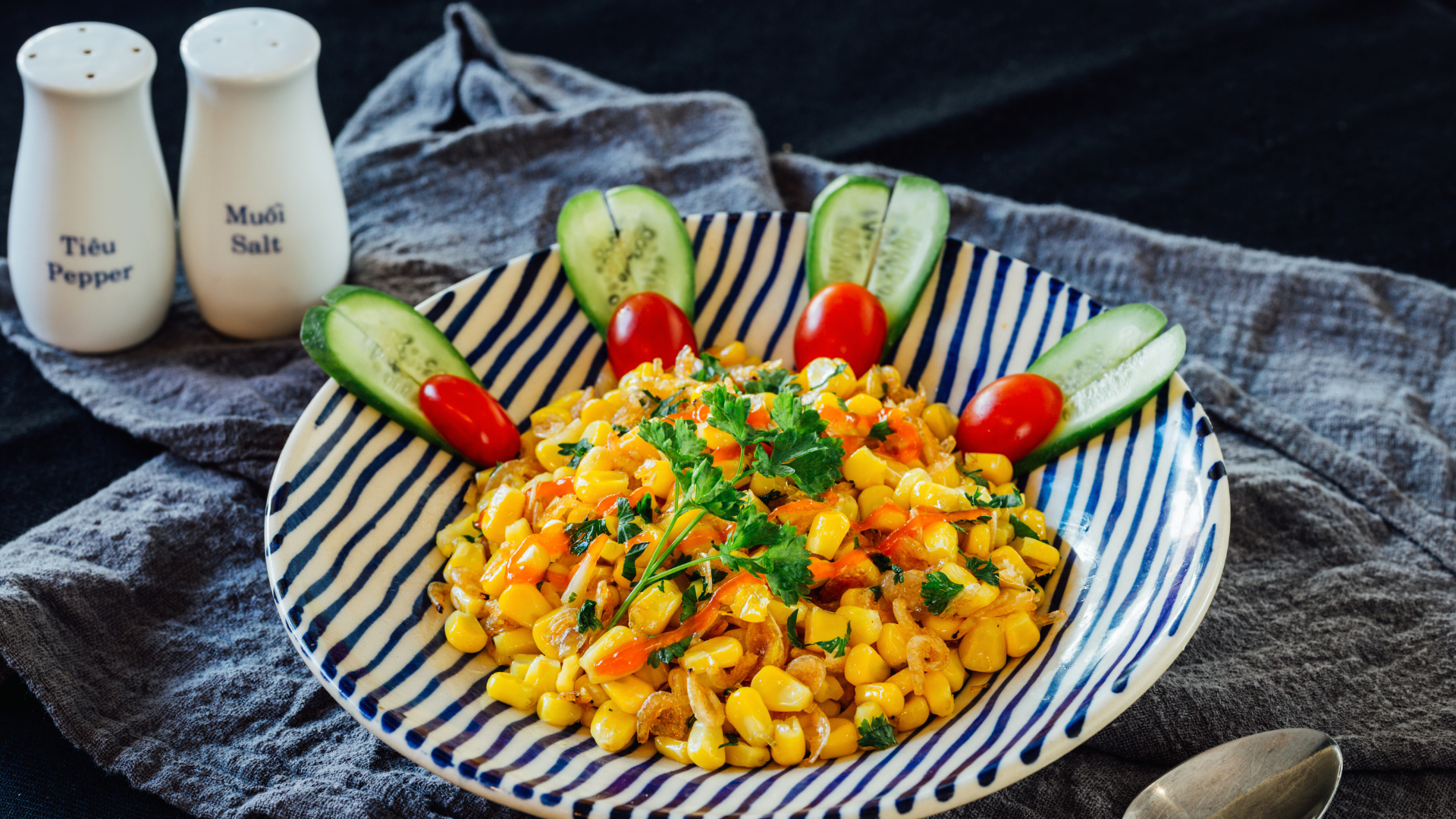
Comfort food is about more than taste; it’s about simple, satisfying meals that bring warmth and ease to your day. For beginners, comfort food recipes focus on straightforward ingredients and easy techniques that anyone can master.
These recipes avoid complexity, making cooking approachable even if you have limited experience. Cooking comfort food doesn’t require fancy tools or rare spices—just basic items and a willingness to enjoy the process.
This guide will introduce practical recipes that build confidence and deliver the cozy flavors you crave without stress. With the right steps, anyone can create meals that feel like a warm hug.
Understanding Comfort Food
Comfort food often brings a sense of warmth and familiarity through its flavors, textures, and aromas. It usually involves simple preparation with ingredients that soothe both body and mind. The following details explore why these foods are comforting, the benefits of preparing them at home, and the most common ingredients used.
What Makes Food Comforting
Comfort food typically evokes positive memories or feelings linked to family, tradition, or personal history. This connection is often emotional, making the food feel supportive during times of stress or fatigue.
Textures like creaminess, softness, or warmth play a key role. Foods that are easy to eat, such as mashed potatoes or soups, tend to be preferred. Additionally, flavors that are rich but not overwhelming—like mild spices, buttery notes, or gentle sweetness—add to the sense of comfort.
Meal size and presentation also matter. Portion sizes that feel satisfying without being excessive and visually simple dishes contribute to the overall comforting experience.
Benefits of Cooking Comfort Food at Home
Preparing comfort food at home allows control over ingredients, taste, and portion sizes. This can lead to healthier versions of traditionally rich or heavy dishes. For beginners, cooking familiar recipes fosters confidence and skill development.
Home cooking often reduces reliance on processed or pre-packaged foods, which may contain additives or excess salt. It also encourages mindfulness during preparation, which can improve mental well-being.
Additionally, cooking comfort food at home can create routine and structure, which are beneficial for emotional stability. Sharing homemade comfort meals strengthens social bonds and can provide emotional support.
Common Ingredients in Comfort Food
Comfort food recipes frequently include ingredients that balance flavor and nutrition, often with a focus on richness and simplicity. These include:
- Dairy: Butter, cream, cheese – for creaminess and richness
- Starches: Potatoes, rice, bread – to provide fullness and mild flavor
- Proteins: Chicken, beef, beans – for heartiness and satisfaction
- Sweeteners: Sugar, honey, molasses – to add subtle sweetness
- Spices and herbs: Salt, pepper, cinnamon, garlic – to enhance flavor without overwhelming
These ingredients appear across many cultures but are typically prepared in ways that highlight comfort rather than complexity.
Essential Kitchen Tools for Beginners
Starting with a well-chosen set of kitchen tools can simplify cooking and improve your results. Focus on items that serve multiple purposes and help build foundational skills.
Basic Cookware and Equipment
A few high-quality pieces will cover most beginner comfort food recipes. A non-stick skillet (10-12 inches) is essential for sautéing vegetables and cooking proteins with minimal oil. A medium saucepan (2-3 quarts) works well for sauces, boiling pasta, and making soups.
Include a large stockpot (6-8 quarts) for stews and boiling larger items. A baking sheet is versatile for roasting vegetables or baking cookies.
Other tools to consider: a sharp chef’s knife, a cutting board, and measuring cups and spoons. These basics support a wide range of cooking techniques and will last through many recipes.
Stocking Your Pantry
Stock basic staples to ensure you can prepare meals without a last-minute store run. Keep dry goods like all-purpose flour, granulated sugar, brown sugar, and rice on hand.
For flavor, store salt, black pepper, garlic powder, dried herbs (oregano, basil), and basic spices (paprika, cumin).
Cooking oils such as vegetable or canola oil and olive oil are key. Also, canned goods like tomato sauce, beans, and broth provide convenient foundation ingredients. A well-stocked pantry supports flexible and quick meal preparation.
Time-Saving Tips for the Novice Cook
Invest in multi-use gadgets like a slow cooker or instant pot to cut down cooking time. These appliances allow for set-and-forget meals that develop rich flavors with minimal effort.
Prepare ingredients in advance by washing and chopping vegetables or measuring spices. Label and store prepped items to speed up cooking during busy days.
Using frozen vegetables and pre-cooked proteins can also save time without compromising meal quality. Planning ahead helps reduce stress and builds confidence in the kitchen.
Easy One-Pot Comfort Food Recipes
One-pot meals save time and reduce cleanup while delivering rich, satisfying flavors. They often combine simple ingredients for straightforward, hearty dishes.
Classic Mac and Cheese
Classic mac and cheese requires just pasta, cheese, milk, and butter. Start by boiling the pasta in a pot until al dente. Remove excess water, then add butter and milk directly to the pot.
Gradually stir in shredded cheese, usually cheddar, for its melting quality. Heat gently until the cheese melts into a creamy sauce. Avoid boiling at this stage to prevent curdling.
Season with salt and pepper to taste. Optional additions include mustard powder or paprika for a slight kick. This recipe is ideal for beginners due to its few ingredients and minimal steps.
Simple Chicken Stew
Chicken stew begins with browning bite-sized chicken pieces in a large pot. Add diced onions and garlic, cooking until softened.
Next, incorporate chopped carrots, potatoes, and celery with chicken broth. Simmer until vegetables are tender and chicken is cooked through.
Season with salt, pepper, and herbs like thyme or bay leaves. This one-pot dish is easy to customize based on available vegetables and seasonings, offering warmth and nutrition with minimal effort.
Hearty Vegetable Soup
Hearty vegetable soup combines root vegetables, beans, and greens. Begin by sautéing onions and garlic in oil until fragrant.
Add chopped potatoes, carrots, celery, and broth. Bring to a boil, then reduce the heat to a simmer. Beans or lentils can be soaked or canned for convenience.
Cooking continues until all vegetables soften. Finish with leafy greens like kale or spinach added near the end to preserve texture. Salt, pepper, and herbs such as rosemary complete the flavor profile.
Quick and Satisfying Pasta Dishes
Simple ingredients and straightforward techniques create flavorful dishes that are both quick to prepare and filling. These recipes focus on balancing taste and ease without compromising comfort.
Spaghetti Carbonara for Beginners
Spaghetti Carbonara requires only a few staple ingredients: eggs, Parmesan cheese, pancetta or bacon, spaghetti, and black pepper. The key is to combine hot pasta with a mixture of eggs and cheese off the heat to prevent scrambling. Cook pasta until al dente, then quickly toss with crispy pancetta and the egg mixture to create a creamy sauce.
Use freshly cracked black pepper for a subtle spice that complements the richness of the sauce. This dish cooks in under 20 minutes and offers a rich, satisfying flavor without complex steps.
Cheesy Baked Ziti
Baked ziti blends cooked pasta with a tomato-based sauce, ricotta, mozzarella, and Parmesan cheese, then bakes until bubbly and golden brown. Boil the ziti until just tender, mix it with sauce and cheese, and layer it in a baking dish.
To save time, use store-bought marinara sauce and pre-shredded cheese. Bake uncovered at 375°F (190°C) for 25-30 minutes until the cheese melts and browns slightly. This dish delivers comfort in every bite and stores well, making leftovers easy to reheat.
Beginner-Friendly Casseroles
Casseroles are an excellent choice for comfort food newcomers because they combine simple ingredients into one convenient dish. They typically require minimal prep and can often use pantry staples or leftovers.
Traditional Shepherd’s Pie
Shepherd’s pie features a base of cooked ground meat mixed with vegetables like carrots and peas. Use either beef or lamb, browned and simmered with onions and a bit of broth or tomato paste for flavor.
Top the meat layer with creamy mashed potatoes, smoothing them evenly. Bake at 375°F (190°C) for about 25 minutes until the potatoes are golden. This dish offers balanced protein, vegetables, and carbs with straightforward assembly steps.
Creamy Tuna Noodle Casserole
This casserole combines cooked egg noodles with canned tuna and a creamy sauce, often made from cream of mushroom soup or a simple béchamel. Add frozen peas or corn for color and nutrition.
Mix all ingredients, place in a greased baking dish, and top with breadcrumbs or crushed crackers for a crunchy finish. Bake at 350°F (175°C) for 20–25 minutes. It’s a quick meal with a creamy texture and simple flavors ideal for beginner cooks.
Comfort Food Breakfasts Made Easy
Comfort breakfasts rely on simple ingredients and straightforward steps. These dishes focus on familiar flavors and textures, making them perfect for anyone just starting in the kitchen.
Fluffy Pancakes
Fluffy pancakes start with the right batter consistency. Use 1 cup of flour, 1 tablespoon of sugar, 1 teaspoon of baking powder, and 1/2 teaspoon of baking soda. Mix dry ingredients separately from wet ingredients, like 1 cup buttermilk, 1 egg, and 2 tablespoons melted butter, before combining.
Cook pancakes on a medium-hot griddle or skillet. Pour about 1/4 cup batter per pancake. Flip when bubbles form on the surface, usually after 2-3 minutes.
For best results, don’t overmix the batter; lumps are okay. Serve with butter and maple syrup or fresh fruit.
Homestyle French Toast
French toast requires sturdy bread like brioche or Texas toast for the best texture. Whisk together 2 eggs, 1/2 cup milk, 1 teaspoon vanilla extract, and a pinch of cinnamon.
Dip bread slices evenly in the egg mixture, allowing them to soak but not get soggy. Cook in a greased skillet over medium heat. Toast each side for about 2-3 minutes until golden.
Serve with powdered sugar, syrup, or fresh berries. This recipe is easily customizable with spices or toppings.
Simple Breakfast Burritos
Breakfast burritos combine scrambled eggs, cheese, and fillings wrapped in a warm tortilla. Start by scrambling 2-3 eggs with salt and pepper.
Add cooked fillings like cooked sausage, diced bell peppers, or black beans. Sprinkle shredded cheddar or Monterey Jack cheese over the eggs and fillings.
Warm a flour tortilla, place the mixture in the center, then fold the sides and roll tightly. For a crisp finish, pan-fry the burrito for 1-2 minutes per side.
Use salsa or sour cream to enhance flavor. This recipe is quick and versatile for a filling meal.
Homemade Sides and Breads
Simple ingredients and careful preparation are key to making satisfying side dishes and breads at home. These recipes rely on basic techniques and common pantry items to produce warm, comforting flavors without complexity.
Buttery Mashed Potatoes
Start with 4 large potatoes, peeled and quartered. Boil in salted water until tender (about 15-20 minutes). Drain well to avoid watery mash.
Mash the potatoes with 4 tablespoons of butter and ½ cup of warm milk for creaminess. Season with salt and pepper to taste.
For a smoother texture, use a potato masher or ricer. Avoid overmixing to prevent a gluey consistency. Serve immediately for the best flavor and texture.
Classic Garlic Bread
Use 1 French baguette, sliced in half lengthwise. Spread a mixture of 4 tablespoons softened butter, 2 minced garlic cloves, and 1 tablespoon chopped parsley evenly on both halves.
Bake at 375°F (190°C) for about 10-12 minutes or until golden brown and fragrant. For added crunch, broil the bread for 1-2 minutes after baking.
Keep the bread warm by wrapping it in foil if not serving right away. Adjust the garlic amount based on preference for milder or stronger flavor.
Sweet Treats for Beginners
Simple ingredients and straightforward steps make sweet desserts accessible. Both recipes require basic kitchen tools and provide room for minor variations, ideal for someone just starting.
Easy Rice Pudding
Rice pudding is a creamy dessert requiring only milk, rice, sugar, and vanilla extract. Begin by simmering ¾ cup of short-grain rice with 4 cups of milk on low heat. Stir frequently to prevent sticking.
After about 20 minutes, when the rice softens, add ½ cup of sugar and 1 teaspoon of vanilla. Cook until the mixture thickens to a creamy consistency, about 10 more minutes. Optional garnishes include cinnamon or raisins.
This recipe yields a warm, comforting dessert with minimal effort, highlighting the natural creaminess of rice and milk. Using short-grain rice is important for texture.
Basic Chocolate Brownies
Chocolate brownies require just a few pantry staples: butter, sugar, eggs, cocoa powder, flour, and salt. Melt ½ cup of butter, then mix in 1 cup sugar and 2 beaten eggs until smooth.
Next, whisk ⅓ cup cocoa powder, ½ cup flour, and a pinch of salt into the wet ingredients. Pour the batter into a greased 8×8-inch pan and bake at 350°F (175°C) for 20-25 minutes.
Brownies are done when a toothpick shows moist crumbs, not wet batter. This recipe offers a fudgy texture and a rich chocolate flavor. Adjust sugar slightly for more or less sweetness.
Tips for Customizing Comfort Food
Comfort food can be adapted to suit your tastes and dietary needs without sacrificing flavor. Simple swaps and creative additions can personalize any recipe, making it a better fit for your preferences.
Adding Your Own Twist
Start by identifying the core flavors in the comfort food recipe. If a dish calls for a classic ingredient like cheddar, try swapping it with Gouda or pepper jack for a different taste. Incorporating fresh herbs such as thyme or rosemary can also elevate the flavor profile without adding complexity.
Experiment with spices carefully. Adding smoked paprika, cumin, or chili flakes in small amounts can create depth and interest. Texture changes are another option; for example, swap mashed potatoes with roasted sweet potatoes to add natural sweetness and a firmer bite.
Keep track of changes so you can recreate your favorite versions. Adjustments can range from subtle to bold depending on your palate, but balancing flavors remains key.
Making Recipes Healthier
To improve the nutritional value, reduce heavy fats like butter or cream and substitute with olive oil or Greek yogurt. Use whole-grain or alternative flours when baking to increase fiber content.
Swap processed components like canned soups or pre-made sauces with homemade, low-sodium options. Increase vegetable portions to add volume, color, and vitamins without many extra calories.
For protein, choose lean options such as skinless chicken, turkey, or plant-based alternatives. Limit added sugars by replacing sweeteners with natural sources like mashed bananas or applesauce. These changes maintain comfort while supporting healthier eating habits.
| Tip | Original Ingredient | Healthier Alternative |
| Fat | Butter or heavy cream | Olive oil or Greek yogurt |
| Flour | All-purpose flour | Whole wheat or almond flour |
| Protein | Ground beef or pork | Skinless chicken or lentils |
| Sweetener | Cane sugar or syrup | Mashed bananas or applesauce |
Troubleshooting Common Beginner Mistakes
One frequent mistake is underseasoning. Many beginners hesitate to use enough salt and spices, which leads to bland dishes. Taste as you cook and adjust seasoning gradually.
Overcooking is another issue, especially with proteins like chicken or pasta. Use timers and check doneness early to avoid dry or mushy results.
Inconsistent chopping can affect cooking times and texture. Aim for uniform pieces to ensure everything cooks evenly.
Burning or sticking happens when the heat is too high or the pan is overcrowded. Use medium heat and give ingredients space to brown properly.
| Problem | Cause | Solution |
| Bland flavor | Insufficient seasoning | Add salt, herbs, or spices bit by bit |
| Dry or tough food | Overcooking | Use a timer, check early |
| Uneven cooking | Different-sized pieces | Chop ingredients uniform |
| Sticking/burning | High heat, crowded pan | Cook at medium heat, avoid crowding |
Following instructions precisely helps, but flexibility is key. Adapt based on your observations and taste preferences.
Mistakes are part of learning. Each error provides feedback for better results next time.