

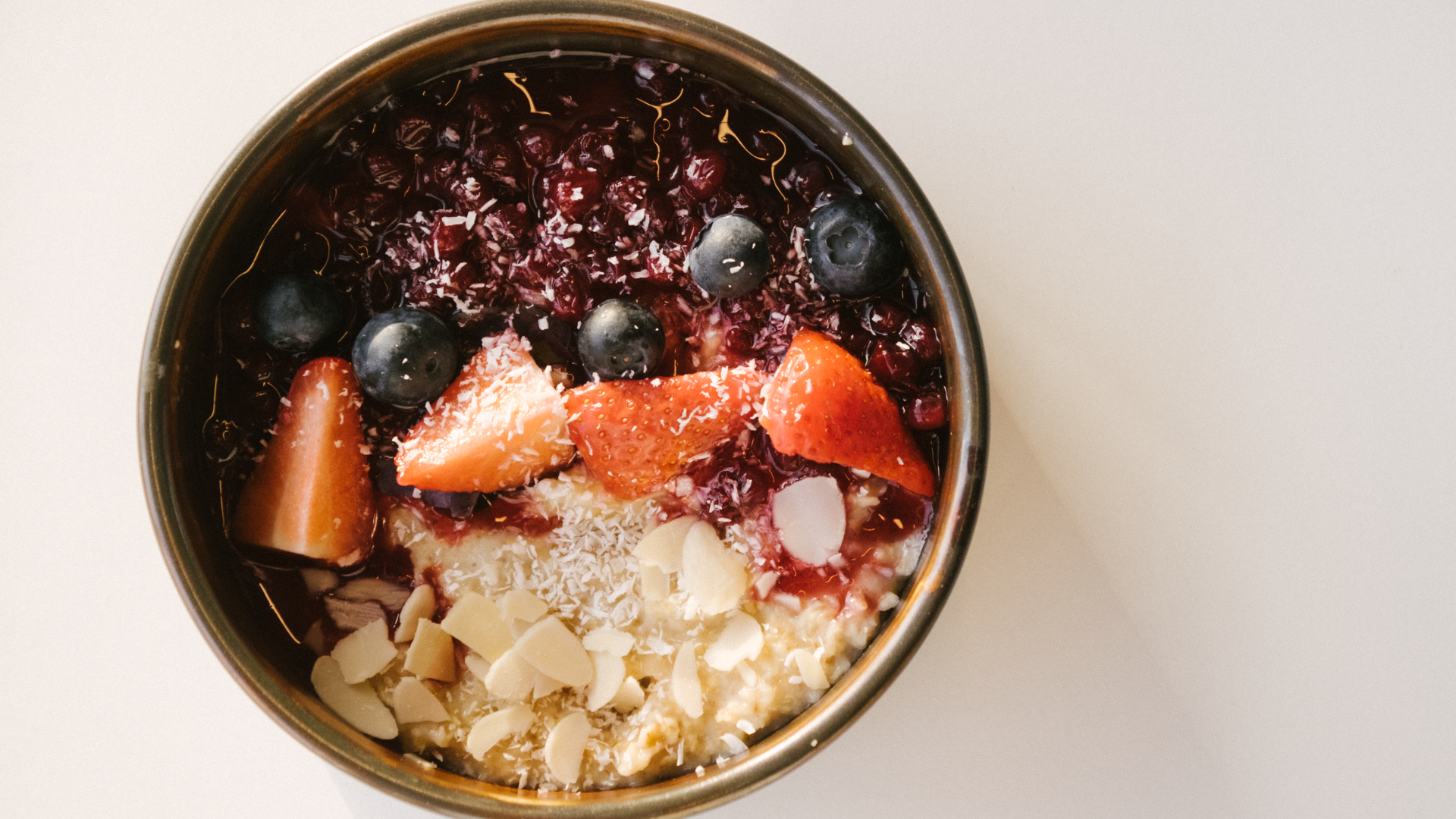
Starting with easy, healthy meals can simplify cooking and improve overall nutrition without overwhelming beginners. Simple ingredients, minimal prep, and balanced nutrients create dishes anyone can make at home.
Easy healthy meals for beginners focus on straightforward recipes that use fresh ingredients and basic cooking methods to save time and effort. These meals offer a practical way to build cooking skills and enjoy wholesome food.
By choosing recipes designed for ease and health, beginners can gain confidence in the kitchen while supporting better eating habits.
Why Choose Easy Healthy Meals
Easy, healthy meals save time and improve well-being without requiring advanced skills or expensive ingredients. They tackle common beginner challenges and support both immediate and future health goals.
Benefits for Beginners
Simple meals reduce the intimidation factor of cooking. Beginners often struggle with complicated recipes that require multiple steps and unusual ingredients. Easy healthy meals use basic techniques and familiar foods, making cooking more approachable.
Starting with straightforward recipes helps build confidence. It also encourages consistent cooking habits, which are essential for learning. Meals packed with essential nutrients support energy levels and overall wellness without overwhelming new cooks.
Long-Term Health Advantages
Choosing easy, healthy meals promotes sustainable habits over time. Meals focused on whole grains, vegetables, lean proteins, and healthy fats contribute to balanced nutrition. This can reducethe risks of chronic diseases such as heart disease and type 2 diabetes.
Consistently eating nutrient-dense foods supports weight management and boosts immune function. Avoiding processed foods lowers intake of excess sugar, salt, and unhealthy fats. These choices add up to improved health markers and daily functioning over months and years.
Reduces Cooking Stress
Easy recipes minimize decision fatigue and prep time. This lowers the mental burden often associated with meal planning and cooking, especially after a long day. Simple cooking reduces the chance of errors and frustration.
Using fewer ingredients and clear instructions speeds up the process. This makes it easier to prepare meals regularly, reducing reliance on takeout or convenience foods. A calm kitchen experience encourages maintaining healthy eating routines.
Key Principles of Healthy Cooking
Healthy cooking relies on managing nutrient variety, portion sizes, and choosing ingredients that maximize benefit. These elements work together to improve meal quality without complexity.
Balanced Nutrition Basics
A balanced meal combines macronutrients: carbohydrates, proteins, and fats. Aim for half your plate to be vegetables and fruits, one-quarter lean protein, and one-quarter whole grains or starchy vegetables.
Including a mix of colors and textures ensures a range of vitamins, minerals, and fiber. Avoid added sugars and limit saturated fats. Healthy fats from sources like olive oil, nuts, and avocados support the absorption of fat-soluble vitamins.
Simple swaps like brown rice instead of white or skin-on chicken instead of processed meat can improve nutritional quality with minimal effort. Consistency is key to developing a healthy eating pattern.
Simple Portion Control
Control over serving size helps avoid overeating, even with healthy foods. Use smaller plates and measure portions when starting out. Typical portion sizes include 3-4 ounces of protein, 1/2 to 1 cup of cooked grains, and 1-2 cups of vegetables.
Pay attention to hunger and fullness cues rather than eating until the plate is empty. Avoid supersized servings, which can distort calorie intake and digestion. Pre-plating meals rather than eating from packages also assists.
Adjust portions based on activity levels and goals. For weight management, smaller portions with balanced nutrients prevent excess calorie intake while maintaining energy and satiety.
Choosing Nutrient-Dense Ingredients
Nutrient-dense foods provide more vitamins, minerals, and fiber per calorie. Opt for fresh or minimally processed vegetables, fruits, whole grains, lean meats, legumes, and nuts.
Avoid refined products like white bread and sugary drinks as they add calories with little nutrition. For example, spinach offers iron and vitamin K, while quinoa provides protein and fiber.
Including herbs and spices adds flavor without sodium or fat. Prioritize seasonal produce for freshness and cost-effectiveness. Reading labels helps identify hidden sugars, sodium, and unhealthy fats in packaged foods.
Essential Kitchen Tools and Ingredients
Starting with the right tools and ingredients makes cooking simple and efficient. Focus on equipment that saves time and basics that offer versatility for healthy meals.
Must-Have Kitchen Equipment
A sharp chef’s knife is essential for chopping vegetables and proteins quickly and safely. Invest in a cutting board, ideally one for produce and another for meat, to avoid cross-contamination.
A non-stick skillet helps cook with less oil while preventing food from sticking. A medium saucepan and a large pot are useful for boiling, steaming, and making soups.
Consider a measuring cup and spoons to keep recipes accurate. A mixing bowl and a vegetable peeler complete the set for prepping ingredients.
Healthy Pantry Staples
Keep whole grains like brown rice, quinoa, and oats on hand; they are easy to cook and nutritious. Include canned beans (black, chickpeas) for protein and fiber without much prep time.
Use olive oil for cooking and dressings. Stock herbs and spices like garlic powder, cumin, paprika, salt, and pepper to add flavor without excess calories.
Beans, whole grains, dried herbs, and good oils create a flexible foundation. Fresh garlic, onions, and lemons can brighten meals instantly.
Beginner-Friendly Cooking Techniques
Start with simple methods like sautéing, which uses moderate heat and little oil, to retain nutrients. Boiling and steaming vegetables preserve vitamins while producing tender results.
Learning to roast vegetables brings out natural sweetness with minimal effort. Using a timer helps avoid overcooking and promotes consistent results.
Practice seasoning as you go, tasting frequently. These techniques build confidence and produce meals that are healthy and flavorful without complexity.
Quick and Easy Breakfast Ideas
Breakfast can be simple, nutritious, and fast without sacrificing flavor. These options focus on minimal prep time and use common ingredients to fuel your day efficiently.
No-Cook Breakfast Options
No-cook breakfasts save time and are perfect for busy mornings. Try Greek yogurt topped with fresh berries, nuts, and a drizzle of honey. This combination provides protein, fiber, and healthy fats.
Overnight oats are another convenient choice. Mix rolled oats with milk or a dairy-free alternative, chia seeds, and a sweetener of your choice. Let it sit in the fridge overnight. In the morning, add fruits or nuts before eating.
Smoothies blend fruit, vegetables, protein powder, and liquids quickly, making them portable and nutrient-dense. Keep a stash of frozen fruits and spinach for easy blending.
Five-Minute Hot Breakfasts
Hot breakfasts can be ready in under five minutes with simple recipes. Scrambled eggs cook fast and pair well with whole-grain toast or avocado slices.
Microwave oatmeal is a quick warming option. Use rolled oats with milk or water and top with cinnamon, nuts, or fruit. It’s filling and easily customized.
For those who like savory choices, a quick veggie stir-fry with spinach or tomatoes and eggs can be done in a skillet within minutes. This adds vitamins and keeps you full longer.
Make-Ahead Breakfast Recipes
Preparation saves time later. Bake a batch of egg muffins with vegetables and cheese to refrigerate or freeze. These reheat well and provide protein.
Chia pudding made by soaking chia seeds in milk overnight creates a creamy, nutrient-packed breakfast. Add vanilla or cocoa powder for flavor variety.
Homemade granola bars with oats, nuts, and dried fruit can be made in bulk. Portion them for grab-and-go convenience on busy mornings.
Simple Lunches for Busy Days
Quick preparation and balanced nutrition are key. Focus on meals that combine protein, fiber, and healthy fats to keep energy steady throughout the afternoon. Portability and ease of assembly are also important for a stress-free lunch.
Grab-and-Go Lunches
These lunches require minimal prep and can be eaten on the move. Options like pre-portioned trail mix, Greek yogurt with berries, or hard-boiled eggs offer protein and healthy fats for sustained energy.
You can also prepare overnight oats with chia seeds and fruit or pack cut vegetables with hummus. Keep wrapping materials or reusable containers handy to avoid disposable waste.
To save time, batch cook grains or proteins and divide into single servings. This makes refilling your grab-and-go stash quicker and ensures nutrient variety.
Fresh and Filling Salads
Build salads with a base of leafy greens like spinach or kale for vitamins and fiber. Add lean proteins—such as grilled chicken, chickpeas, or tofu—to make the salad more satisfying.
Incorporate colorful vegetables and a healthy fat source like avocado or nuts. Use lemon juice and olive oil for a simple dressing that adds flavor without unnecessary calories.
For convenience, prepare salad jars by layering ingredients from dense to leafy. Mix just before eating to maintain freshness and texture.
Hearty Sandwiches and Wraps
Choose whole-grain bread or wraps to boost fiber intake. Fillings should include a lean protein, like turkey or beans, paired with plenty of fresh veggies such as lettuce, tomato, and cucumber.
Add flavor with mustard, avocado, or low-fat cheese instead of heavy sauces. For added nutrition, include leafy greens and sprouts, which add crunch and vitamins.
Wrap sandwiches tightly and slice in halves or thirds for easy handling at work or on the go. This approach keeps portions controlled and meals balanced.
Effortless Healthy Dinners
Healthy dinners can be straightforward and quick. Using minimal cookware, focusing on balanced ingredients, and simplifying cooking steps help save time while maintaining nutrition.
One-Pan Meals
One-pan meals reduce cleanup and make it easy to balance protein, vegetables, and grains. A sheet pan roast with chicken, sweet potatoes, and broccoli is a common choice. Season with olive oil, salt, pepper, and herbs for flavor.
Cooking everything together allows flavors to meld and ensures even cooking. This method also cuts down on distracting multitasking. For stovetop options, sautéing lean protein with mixed vegetables in a single skillet works well.
Using a non-stick pan or parchment paper can further simplify cleanup. One-pan meals offer variety by switching proteins or vegetables based on preference or availability.
30-Minute Dinner Recipes
Quick dinners under 30 minutes fit into busy schedules without sacrificing health. Preparing ingredients before starting speeds up cooking. Stir-fries using lean meats or tofu with colorful vegetables and a simple sauce are excellent options.
Another is grilled fish with a side of quinoa and steamed greens. These meals provide protein, fiber, and essential nutrients quickly. Keeping pantry staples like canned beans, pre-washed greens, and whole grains on hand shortens prep time.
Simple seasoning blends like garlic powder, paprika, and lemon juice add flavor without complexity. Planning meals around quick-cook ingredients makes fast, healthy dinners consistent and accessible.
Nutritious Pasta Dishes
Pasta dishes can be both healthy and filling with smart ingredient choices. Whole-grain or legume-based pasta provides more fiber and protein than refined types. Pairing pasta with vegetables, lean protein, and a light sauce balances the meal.
Examples include spinach and cherry tomato pasta with grilled chicken or a garlic and olive oil sauce with shrimp and steamed asparagus. Avoid heavy cream sauces, which add unnecessary calories.
Adding fresh herbs, lemon zest, or chili flakes enhances flavor without added fat. Portion control is important, so aim for about 1 to 1.5 cups of cooked pasta per serving. Nutrient-dense pasta meals support energy and digestion while being easy to prepare.
Healthy Snacks for Beginners
Choosing healthy snacks can keep energy levels stable between meals and support overall nutrition. Simple preparation and easy access to wholesome ingredients make healthy snacking practical for anyone starting to improve their diet.
Quick Homemade Snacks
Homemade snacks allow full control over ingredients, avoiding added sugars and unhealthy fats. Quick options like sliced vegetables with hummus, apple slices with peanut butter, or Greek yogurt topped with nuts provide balanced nutrition with minimal effort.
Prepare a nut mix by combining almonds, walnuts, and dried cranberries for a portable energy boost. Cottage cheese with fresh fruit offers protein and natural sweetness. Keep pre-cut veggies and fruits in containers to grab them easily when hungry.
Many homemade snacks require no cooking and can be assembled in under five minutes. This simplicity encourages consistent, healthy eating habits.
Smart Store-Bought Options
When purchasing snacks, focus on ingredient lists and nutrition labels to avoid excess sugar and artificial additives. Look for items with whole-food ingredients, such as plain nut butters, air-popped popcorn, or roasted chickpeas.
Choose snacks with at least 3-5 grams of protein or fiber per serving to stay full longer. Examples include string cheese, portioned nuts, and low-sugar granola bars.
Avoid products with hydrogenated oils or high sodium content. Keep portions small to control calorie intake and maintain balanced eating throughout the day.
Meal Planning and Prep Tips
Organizing meals ahead of time saves time and reduces stress during busy days. Using simple strategies can help maintain variety while keeping ingredients manageable and preparation efficient.
Planning Weekly Menus
Start by choosing 3-5 meals for the week, mixing proteins, vegetables, and grains. Create a master grocery list grouped by category to make shopping faster and avoid forgetting key ingredients.
Focus on recipes that share common ingredients to reduce waste. For example, if one meal calls for spinach, include it in a smoothie or side salad later in the week.
Assign specific meals to certain days based on your schedule. Busy days might need quicker recipes or leftovers, while free days can accommodate more complex dishes.
Batch Cooking Strategies
Cook large portions of staples like rice, beans, or roasted vegetables at once. Store these in separate containers so you can combine them differently throughout the week.
Roast or grill proteins in bulk, then refrigerate or freeze in meal-sized portions. This prevents daily cooking and speeds up meal assembly.
Use slow cookers or instant pots for hands-off batch cooking. These appliances can prepare soups, stews, or chili with minimal attention, yielding multiple servings.
Saving Time with Prepped Ingredients
Wash and chop vegetables as soon as you bring them home. Store them in clear containers inside the fridge for easy access during meal prep.
Pre-cook grains like quinoa or pasta ahead and keep them refrigerated. Combine with fresh or pre-cooked ingredients for quick meals.
Marinate meats or tofu the night before to enhance flavor and reduce cooking time. Portion snacks, such as nuts or cut fruits, to grab on busy days without extra prep.
Common Mistakes to Avoid
Many beginners struggle with simple meal prep by making it harder than necessary, depending too much on ready-made foods, or neglecting consistent meal times. Recognizing these challenges early helps maintain a balanced and straightforward approach to healthy eating.
Overcomplicating Recipes
Trying to follow complex recipes can lead to frustration and discouragement. Beginners often buy numerous ingredients they rarely use again, which raises costs and waste.
Simple meals focused on whole foods—like grilled chicken with steamed vegetables—save time and ensure nutrients. Avoid recipes with multiple steps or hard-to-find spices initially. Using basic cooking techniques builds confidence and makes it easier to develop a routine.
Planning meals with no more than five ingredients can keep cooking manageable. This also reduces prep time and cleanup, making it more likely to stick to healthy habits.
Relying on Processed Foods
Processed foods often contain added sugars, unhealthy fats, and excess sodium, which counteract the benefits of healthy meals. Relying on these can lead to nutrient deficiencies and hinder weight management goals.
Instead, focus on whole foods such as fresh vegetables, lean proteins, and whole grains. When convenience is needed, choose minimally processed options like pre-washed greens or frozen vegetables without sauces.
Reading nutrition labels carefully helps identify hidden ingredients that lower a product’s health value. Keeping processed food intake to a minimum supports better overall nutrition.
Skipping Meals
Skipping meals can disrupt metabolism and lead to overeating later in the day. It often causes low energy, poor concentration, and makes healthy choices harder.
Eating regular meals, ideally every 3-4 hours, helps maintain stable blood sugar and energy. Simple snacks like nuts, fruit, or yogurt can prevent excessive hunger.
Set reminders or meal alarms if needed to establish a consistent eating pattern. Prioritizing regular meals supports steady progress toward health goals without feeling deprived.
Staying Motivated and Building Healthy Habits
Consistency is key when adopting new eating patterns. It’s important to keep track of your changes and recognize even small achievements to maintain motivation over time.
Tracking Your Progress
Recording meals, snacks, and feelings after eating helps identify patterns and preferences. Using a simple journal or a mobile app makes this task manageable and less time-consuming.
Details to note include portion sizes, ingredients, and energy levels throughout the day. Tracking progress weekly allows adjustments to meals for a better balance of nutrients.
Visual aids like charts or color-coded logs can clearly demonstrate improvements. This method also highlights areas needing more focus, such as incorporating more vegetables or cutting back on added sugars.
Celebrating Small Successes
Acknowledging small wins reinforces positive behavior and builds confidence. Examples include trying a new vegetable, preparing a healthy snack, or cooking at home multiple days a week.
Rewards don’t have to be food-based. Consider non-food incentives like a new kitchen tool, workout gear, or extra relaxation time.
Documenting milestones, no matter how minor, keeps motivation high and shows tangible progress on the journey to healthier eating habits.