

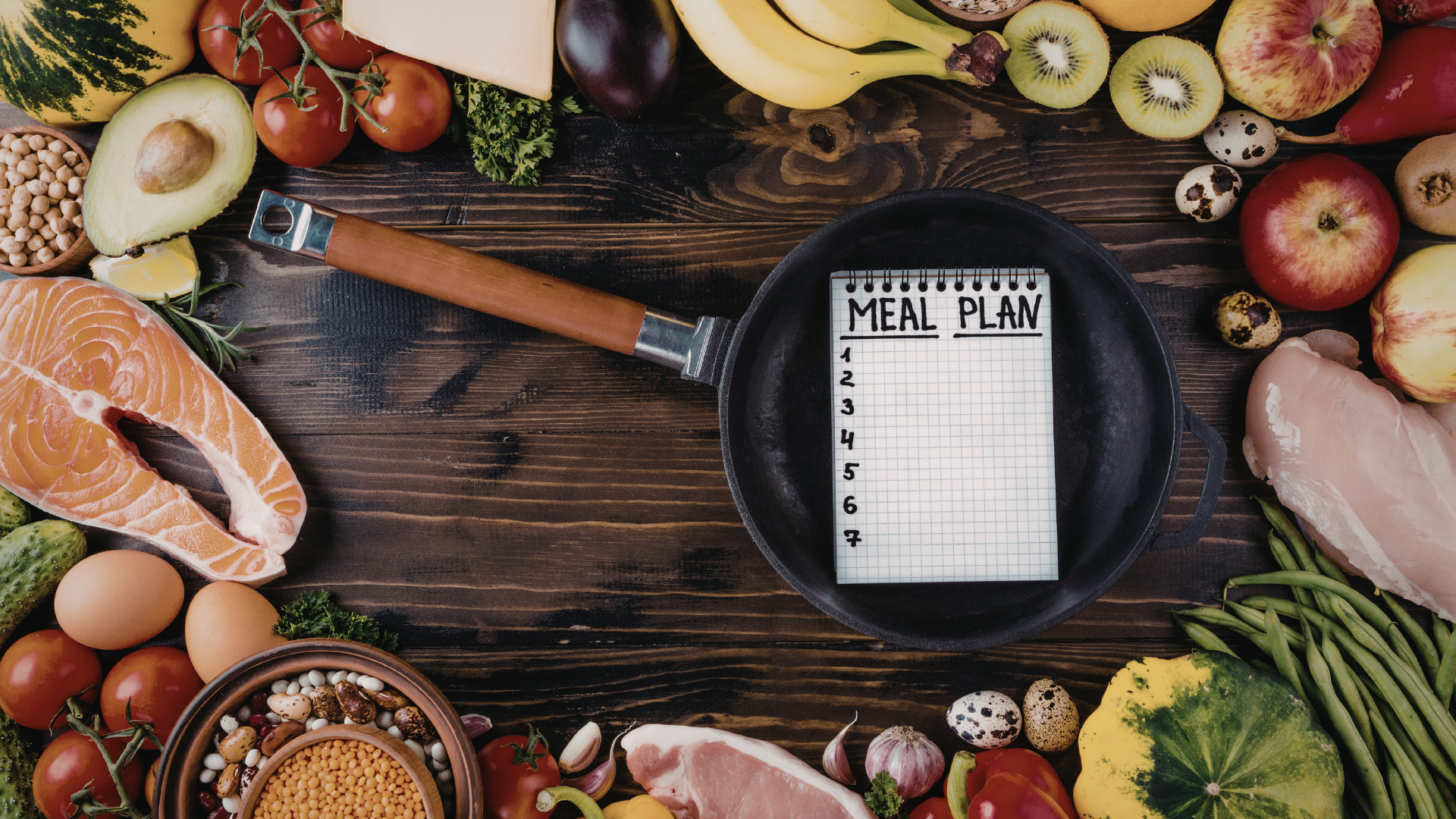
Meal planning doesn’t have to break the bank. By focusing on simple strategies like using a weekly menu, buying in-season produce, and shopping during sales, you can significantly reduce grocery costs while still enjoying balanced meals. These tips help avoid last-minute purchases and food waste.
Planning ahead allows for better control over portion sizes and ingredient choices, making it easier to stick to a budget. Smart meal planning also encourages cooking at home, which is generally cheaper than eating out.
With a few thoughtful adjustments, budget-friendly meal planning becomes manageable and practical for any household. This approach saves money without sacrificing nutrition or variety.
Core Principles of Budget-Friendly Meal Planning
Managing expenses while eating well requires clear priorities, careful scheduling, and thoughtful use of ingredients. Planning meals with attention to cost, nutrition, and waste helps maintain a balanced approach.
Understanding Your Food Budget
Start by determining a realistic weekly or monthly food budget. Track current spending for a couple of weeks to identify habits and adjust expectations. Allocate funds based on household size and dietary needs.
Use a simple table to organize expenses:
| Item | Estimated Cost | Frequency |
| Fresh produce | $20 | Weekly |
| Meat and protein | $30 | Weekly |
| Staples and grains | $15 | Weekly |
| Snacks and extras | $10 | Weekly |
Knowing exactly how much to spend keeps purchases focused and prevents impulse buys.
Prioritizing Nutritional Value
Focus on nutrient-dense foods that offer more vitamins and minerals per dollar. Vegetables, legumes, whole grains, and seasonal fruits tend to provide higher value for less money.
Choose versatile ingredients, such as beans or frozen vegetables, which can be used in multiple recipes. Balance cost with health benefits to avoid saving money on less nutritious processed foods that may increase other expenses like health costs.
Avoid expensive specialty items if they don’t improve overall meal quality or nutrition.
Meal Planning for the Week
Create a weekly menu around sales, seasonal produce, and staple ingredients you already have. Batch cook meals to save time and reduce reliance on takeout.
Use templates or apps to plan breakfasts, lunches, dinners, and snacks, aiming for simple recipes with overlapping ingredients to lower costs.
For example:
- Monday: Stir-fry with frozen mixed vegetables and rice
- Tuesday: Lentil soup with carrots and celery
- Wednesday: Pasta with tomato sauce and canned beans
Rotate similar base ingredients across meals to maximize use without boredom.
Reducing Food Waste
Track expiration dates and prioritize perishable items early in the week. Store food properly—use airtight containers and freezer bags to extend shelf life.
Repurpose leftovers into new meals, like turning roast chicken into sandwiches or soups.
Make a list before grocery shopping to avoid duplicate purchases. Regularly review pantry and fridge contents to plan meals around available ingredients, minimizing spoilage.
Smart Grocery Shopping Strategies
Effective grocery shopping cuts costs without sacrificing meal quality. Key strategies include preparing a precise list, choosing produce wisely, and evaluating value through unit prices.
Creating a Detailed Shopping List
A detailed shopping list prevents impulse buys and reduces waste. Start by planning meals for the week and listing specific ingredients rather than general categories.
Group items by store sections such as produce, dairy, and pantry. This organization speeds up shopping and helps avoid forgetting essentials.
Include quantities to avoid over-purchasing. Using apps or notes that track what’s already in your pantry can refine your list further.
Shopping for Seasonal and Local Produce
Seasonal fruits and vegetables are often cheaper and fresher than out-of-season options. Local produce reduces transportation costs and supports nearby farmers.
Check farmers’ markets or local food co-ops for deals on in-season items. Frozen produce can also be a good alternative when fresh options are costly or unavailable.
Use seasonal calendars to plan meals aligned with what’s affordable and accessible at different times of the year.
Comparing Unit Prices
Unit pricing reveals the true cost and helps choose the best deal. Look for price tags that show cost per ounce, pound, or piece.
Compare bulk versus smaller packaging to see which offers more value after considering spoilage risk.
Beware of sales that seem attractive but don’t offer better unit prices. Keep a calculator or phone handy to quickly check calculations if needed.
Affordable Recipe Selection and Substitution
Selecting recipes that share ingredients, using pantry staples creatively, and swapping costly items with budget-friendly alternatives can significantly reduce meal costs. These methods help maintain variety without overspending on groceries.
Choosing Recipes with Overlapping Ingredients
Pick recipes that rely on a handful of versatile ingredients. For example, using chicken breasts, rice, and bell peppers in multiple dishes spreads the cost over several meals. This reduces waste and enhances shopping efficiency.
Plan your weekly meals around a few core ingredients. Buying larger quantities of these basics usually lowers the per-unit price. Consider meals where spices and sauces remain consistent to maximize ingredient use.
Adapting Meals Using Pantry Staples
Pantry staples like canned beans, pasta, frozen vegetables, and rice act as flexible bases. They stretch meals and fill plates without significantly increasing costs. Incorporate these items to create simple and nutritious dishes on demand.
Always keep a stock of affordable staples, enabling last-minute meal adaptations. For instance, swap fresh vegetables for frozen or canned options when fresh produce is costly or out of season. Staples help avoid extra trips to the store.
Swapping Expensive Ingredients
Replace pricier items with cost-effective alternatives without sacrificing nutrition. Use lentils instead of ground beef or Greek yogurt for sour cream. These substitutions often provide equal protein or flavor at a fraction of the price.
Here is a quick substitution example:
| Expensive Ingredient | Budget-Friendly Swap |
| Ground beef | Lentils |
| Fresh herbs | Dried herbs |
| Cream | Milk + Butter |
These swaps reduce the overall grocery bill while maintaining meal quality.
Batch Cooking and Meal Prep Methods
Planning and preparing meals ahead of time can save both time and money. Understanding how to cook in bulk, choosing freezer-friendly recipes, and storing food efficiently helps keep meals fresh and accessible throughout the week.
Cooking in Bulk for the Week
Cooking large portions at once maximizes efficiency and reduces daily cooking time. Focus on versatile ingredients like rice, beans, roasted vegetables, or proteins such as chicken or tofu. These can be easily portioned and combined into various meals.
Use large pots or slow cookers for dishes like stews and soups to streamline the process. Prepare staple sides like grains and roasted veggies in advance, then mix and match them with different sauces or spices. This approach keeps meals interesting without extra effort.
Freezer-Friendly Meal Ideas
Freezing meals extends their shelf life and prevents waste. Choose recipes that freeze well, such as casseroles, chili, meatballs, or baked pasta dishes. Avoid ingredients that don’t freeze well, like lettuce or cream-based sauces.
Label containers with the date and contents to maintain organization. Portion meals into single or family-sized servings, so you only thaw what is needed. Use airtight freezer bags or containers to prevent freezer burn and retain flavor.
Efficient Storage Solutions
Proper storage prolongs the freshness and safety of prepped meals. Use clear, stackable containers to save space and quickly identify contents. Glass containers are durable and microwave-safe, while BPA-free plastic is lighter and often cheaper.
Vacuum sealing can increase shelf life for frozen items by reducing air exposure. Keep a dedicated shelf or drawer in the fridge or freezer for prepped meals to avoid mix-ups. Rotate meals by placing newer batches behind older ones to consume food while it’s fresh.
Making the Most of Leftovers
Using leftovers effectively can save both money and time. Transforming them into new meals and storing them properly extends their usability and prevents waste.
Creative Leftover Transformations
Leftovers don’t need to be eaten the same way twice. For example, roasted vegetables can be turned into a hearty soup by blending with broth and adding spices. Cooked chicken works well chopped into salads or added to stir-fries.
Another method is layering leftovers into casseroles or wraps. Rice and beans leftover from dinner can be combined with cheese and salsa for a quick burrito filling. When repurposing, try changing the seasoning or adding fresh ingredients like herbs or crunchy vegetables for variety.
Proper Leftover Storage
Storing leftovers correctly is crucial to keep them safe and fresh. Use airtight containers and label them with dates. Generally, leftovers should be consumed within 3 to 4 days when refrigerated.
Cool hot food quickly before refrigerating to reduce bacterial growth. Freezing leftovers extends their shelf life significantly; divide meals into portion-sized containers to thaw only what is needed. Avoid leaving leftovers at room temperature for more than two hours to minimize spoilage risk.
Budget-Friendly Meal Planning Tools and Resources
Efficient tools make budgeting for meals easier by organizing shopping lists and tracking expenses. Simple, accessible resources can help maintain consistency and reduce food waste.
Using Meal Planning Apps
Meal planning apps streamline recipe selection and shopping list creation. Many apps allow input of budget limits, suggest affordable recipes, and track pantry inventory.
Popular free apps like Mealime and AnyList offer customizable meal plans that match dietary needs and budgets. They also sync shopping lists across devices, saving time at the store.
Some apps include barcode scanners for easy price comparison. Notifications and reminders help avoid last-minute purchases, supporting disciplined spending. Integrating apps with digital coupons can further enhance savings.
Printable Meal Planner Templates
Printable templates offer a low-tech way to structure meals and grocery lists. They can be reused weekly, helping monitor food consumption and avoid impulse buys.
Templates typically include sections for breakfast, lunch, dinner, and snacks, plus a dedicated grocery list area. Users can color-code or highlight based on price or leftovers to optimize spending.
Many sites provide free, downloadable planners in PDF or spreadsheet formats. Printing multiple copies is cost-effective, and physical copies often encourage consistent planning habits.
Tips for Staying Consistent and Motivated
Maintaining a budget-friendly meal plan requires measurable progress and active engagement. Recognizing your savings and sharing responsibilities can boost motivation and help sustain habits over time.
Tracking Savings and Progress
Track your grocery expenses weekly to see how much you save compared to previous months. Use a simple spreadsheet or an app to log spending and highlight bargains or bulk purchases that cut costs effectively.
Monitor the number of meals prepared at home versus eating out. This helps quantify both financial and health benefits, reinforcing positive behaviors.
Set small, achievable goals such as reducing food waste or increasing meal prepping sessions. Celebrate these milestones to stay motivated and aware of your impact.
Involving the Whole Family
Assign age-appropriate tasks like meal planning, shopping lists, or cooking steps to each family member. This distributes the workload and creates shared responsibility.
Discuss the budget and savings goals openly. This fosters understanding and encourages everyone to support meal plans rather than resist them.
Make meal planning a group activity by collecting recipe ideas or preferences from family members. This increases buy-in and reduces mealtime conflicts.
Common Mistakes to Avoid in Budget Meal Planning
One common mistake is failing to plan meals ahead. Without a clear plan, impulse purchases and food waste increase, raising overall costs. A simple weekly menu can help maintain focus and reduce unnecessary spending.
Another error is ignoring portion sizes. Overestimating amounts leads to leftover food that often goes unused or spoils. Measuring ingredients and sticking to serving sizes can prevent waste and save money.
Many overlook the value of shopping without a list. Wandering the aisles often results in buying non-essential items. Creating a detailed shopping list improves efficiency and budget control.
Relying too much on pre-packaged or processed foods is also costly. These products generally have a higher price per serving compared to whole ingredients. Cooking from scratch maximizes value and nutrition.
Avoid skipping sales and discounts. Not using coupons, loyalty programs, or store promotions can mean missing out on savings. Keep an eye on deals and plan meals around discounted items.
| Mistake | Impact | Solution |
| No meal plan | Overspending, waste | Weekly menu, meal prep |
| Ignoring portion size | Food waste | Measure servings |
| Shopping without a list | Impulse buys | Make and follow a list |
| Relying on processed food | Higher costs | Cook from scratch |
| Missing discounts | Lost savings | Use coupons and promotions |