

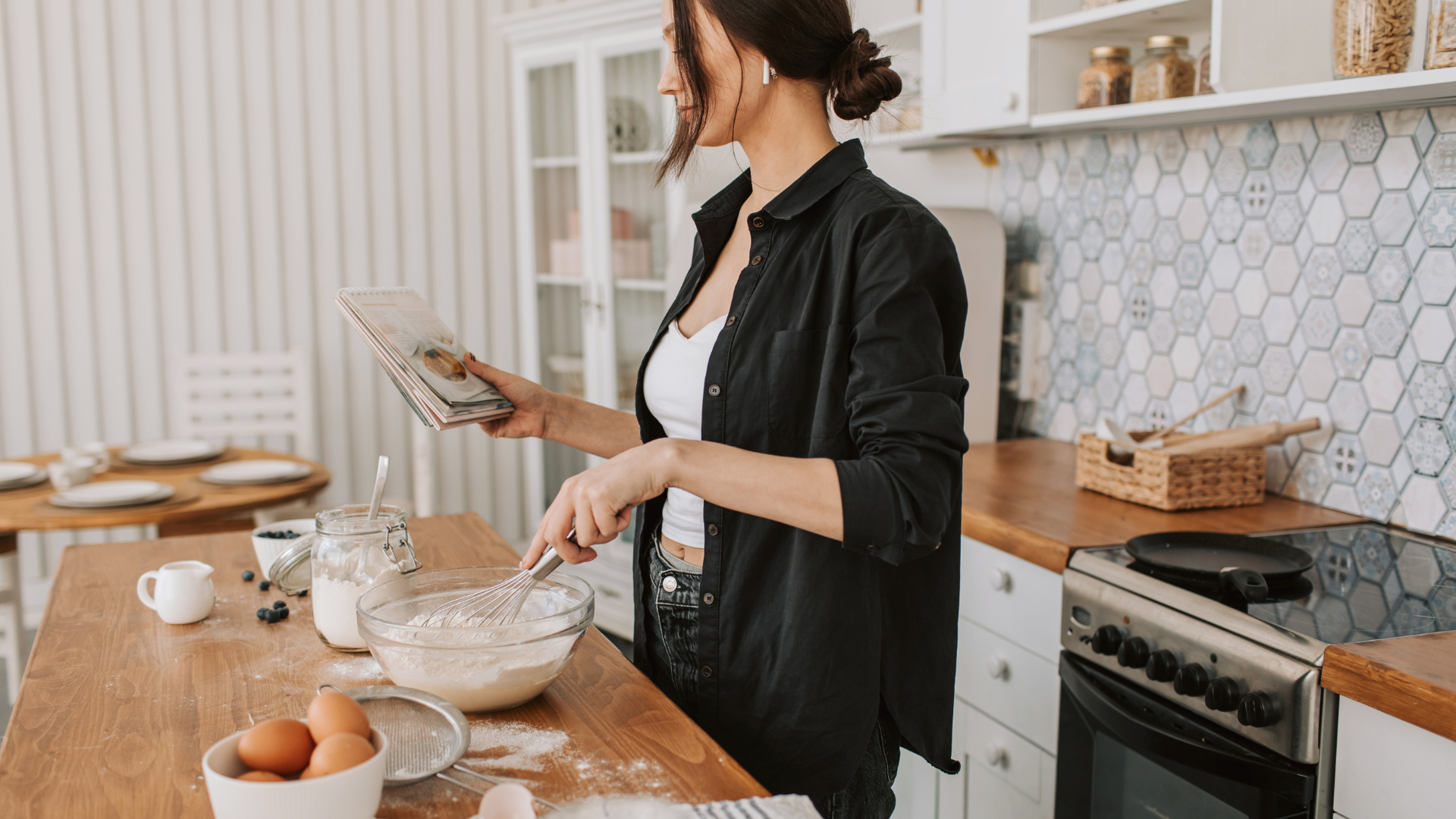
Baking can seem intimidating, but it doesn’t have to be. Beginner-friendly baking recipes use simple ingredients and straightforward steps, making it easy to create delicious treats without prior experience.
These recipes focus on clear instructions and manageable techniques, helping you build confidence in the kitchen. Whether you want cookies, muffins, or basic cakes, the right recipe can set you up for success from the start.
Essential Baking Tools for Beginners
Baking requires specific tools that help create consistent and reliable results. Knowing which equipment to invest in can save time, reduce frustration, and improve the final product.
Must-Have Equipment and Utensils
Start with a mixing bowl set, ideally metal or glass, as they are durable and easy to clean. A hand mixer or stand mixer is essential for blending ingredients smoothly, especially for dough or batter.
Other necessary utensils include a rubber spatula for scraping bowls, a whisk for beating eggs or mixing, and a cooling rack to allow baked goods to cool evenly. Don’t forget a baking sheet for cookies and a loaf pan for bread or cakes.
These basics cover a range of recipes and help maintain workflow efficiency.
Choosing Quality Bakeware
Investing in good-quality bakeware makes a noticeable difference. Choose non-stick or heavy-gauge aluminum pans to ensure even baking and easy release of baked goods.
Pans come in various shapes, like round, square, and rectangular; start with a 9×13-inch rectangular pan and an 8- or 9-inch round cake pan to cover common recipes.
Avoid cheap, thin pans as they may warp or burn edges. Silicone molds are flexible and great for muffins or small cakes, but are less effective for roasting vegetables or high-heat baking.
Recommended Measuring Tools
Accurate measurement is crucial in baking. Use a set of dry measuring cups for flour, sugar, and grains, and a separate set of liquid measuring cups, usually made of glass or plastic with a spout.
A digital kitchen scale offers precision for ingredients like flour and butter, often more reliable than volume measurements.
Measuring spoons in various sizes cover small quantities of baking powder, salt, and spices. Double-check measurements by leveling off cups with a knife for accuracy.
Basic Baking Ingredients Explained
Baking relies on a few key ingredients that each serve specific roles in texture, flavor, and rise. Understanding these basics helps ensure consistent results and allows for creative tweaks without risking the recipe.
Flour Types and Their Uses
Flour provides structure to baked goods through gluten proteins. All-purpose flour is versatile, suitable for cakes, cookies, and breads, containing a moderate protein level. Cake flour has less protein, producing lighter, tender crumbs in delicate baked items.
Bread flour has higher protein, ideal for chewy breads with strong gluten networks. Whole wheat flour includes the bran and germ, adding fiber and nutrients, but can make products denser.
Here’s a quick comparison:
| Flour Type | Protein Content | Best For |
| All-purpose | 10-12% | Cookies, cakes, bread |
| Cake flour | 7-9% | Soft cakes, pastries |
| Bread flour | 12-14% | Breads, pizza dough |
| Whole wheat | 13-14% | Hearty breads, muffins |
Sugars and Sweeteners
Sugar adds sweetness, moisture, and browning. Granulated sugar is standard white sugar, offering a clean, sweet taste. Brown sugar contains molasses, making baked goods moister and richer.
Powdered sugar dissolves easily, used mainly for icings or dusting. Alternative sweeteners like honey or maple syrup add flavor and moisture but may alter texture or require recipe adjustments.
Sugar also feeds yeast in bread recipes, promoting rise. The type chosen impacts flavor profiles and baking chemistry directly.
Leavening Agents for Baking
Leavening agents create gases that help dough or batter rise. Baking powder contains both acid and base and activates twice: when wet and with heat. It works well in quick breads and cakes.
Baking soda is pure sodium bicarbonate and requires an acidic ingredient (like buttermilk or lemon juice) to react and produce carbon dioxide gas.
Yeast is a living organism that ferments sugars, slowly producing carbon dioxide in bread dough, enhancing flavor and texture through fermentation.
Each agent suits different recipes based on the rise time and acidity.
Important Baking Techniques for New Bakers
Understanding key baking fundamentals helps achieve consistent results. Accurate measuring, appropriate mixing methods, and correct oven control are crucial steps to master early on.
Measuring Ingredients Correctly
Precise measurement affects texture, taste, and overall outcome. Use a digital scale for dry ingredients rather than volume cups to avoid discrepancies caused by packing or fluffing.
For liquids, use clear measuring cups placed on a flat surface and read the measurement at eye level. Spoon flour lightly into the measuring cup and level it off with a knife rather than scooping directly.
Common tools include:
- Measuring spoons for small amounts
- Liquid measuring cups with a spout
- Kitchen scale for grams and ounces
Consistently measuring ingredients correctly reduces failed batches and improves recipe replication.
Mixing Methods Simplified
Different recipes require specific mixing techniques to develop texture and structure. Common methods include:
- Creaming: Beat butter and sugar until light and fluffy, creating air pockets for leavening.
- Folding: Gently combine ingredients to keep air in batter, typical in delicate cakes.
- Beating: Rapid stirring to incorporate air and blend ingredients thoroughly.
Avoid overmixing, especially after adding flour, as it can lead to tough baked goods. Mixing until just combined is often best, especially in muffins and quick breads.
Mastering Oven Temperatures
Oven temperature accuracy directly impacts baking time and doneness. Preheat your oven fully before putting any item into it to ensure even cooking.
Use an oven thermometer to verify the displayed temperature is correct. Many ovens run hotter or colder than indicated, affecting results.
Adjust racks based on what you’re baking:
- Top rack for broiling or browning
- Middle rack for even baking
- Bottom rack for crispier crusts
Understanding and controlling heat zones ensures that cookies, cakes, and breads bake consistently without burning or undercooking.
Easy Cookies for Beginners
Baking cookies can be simple with just a few basic ingredients and clear instructions. Below are some straightforward cookie recipes that beginners can follow comfortably, focusing on ease, minimal equipment, and reliable results.
Classic Chocolate Chip Cookies
This recipe uses common pantry staples: butter, sugar, eggs, flour, baking soda, salt, vanilla extract, and chocolate chips. Start by creaming softened butter with sugars until smooth, then add eggs and vanilla. Mix in the dry ingredients carefully, then fold in the chocolate chips.
For best results, chill the dough for at least 30 minutes to control spreading during baking. Bake at 350°F (175°C) for 10-12 minutes until edges are golden. Soft centers will firm as cookies cool. Use parchment paper or silicone mats on baking sheets to prevent sticking and ensure even baking.
Simple Sugar Cookies
Sugar cookies require flour, sugar, butter, eggs, baking powder, salt, and vanilla extract. Cream butter and sugar together before adding eggs and vanilla. Gradually mix in dry ingredients to form a smooth dough.
Roll dough on a floured surface to about ¼ inch thickness and cut shapes with cookie cutters or a knife. Bake at 350°F (175°C) for 8-10 minutes. The edges should be just starting to color. These cookies are excellent for decorating or eating plain.
No-Bake Cookie Options
No-bake cookies offer an easy alternative that requires no oven time. Common ingredients include oats, peanut butter, cocoa powder, sugar, and butter. Heat butter, sugar, and cocoa on the stove to dissolve sugar, then combine with oats and peanut butter.
Spoon the mixture onto wax paper and let it cool until firm. These cookies set quickly in the fridge or at room temperature. No-bake cookies are ideal when avoiding oven use or when seeking a fast, simple treat.
Beginner-Friendly Breads
These bread recipes require minimal ingredients and steps, ideal for beginners. They focus on simple techniques and use easily accessible ingredients, making them practical to try at home.
Quick Breads Without Yeast
Quick breads skip the yeast and rely on baking powder or baking soda as leavening agents. This eliminates rising time, allowing you to bake fresh bread in under an hour.
Typical quick breads include banana bread, zucchini bread, and muffins. The batter should be mixed gently to avoid overworking gluten, which can toughen the texture. Ingredients often include flour, sugar, eggs, butter, and a leavening agent.
Quick breads are forgiving and versatile, perfect for experimenting with different flavors and add-ins like nuts or dried fruit.
Basic Banana Bread
Banana bread uses ripe bananas to provide moisture and sweetness, often reducing the need for extra sugar. It combines mashed bananas, flour, sugar, eggs, baking soda, and butter or oil.
The baking soda reacts with the acidity in bananas to help the bread rise. For best results, use bananas with brown spots.
Mix wet and dry ingredients separately and fold gently before baking at 350°F (175°C) for 50-60 minutes. Check doneness with a toothpick inserted in the center.
Easy Dinner Rolls
Dinner rolls typically require yeast, but beginner-friendly recipes use fewer, simpler steps. Many start with pre-made dough or shortcut techniques to speed up preparation.
A basic recipe combines flour, milk, butter, sugar, salt, and a small amount of yeast. Kneading is brief but consistent to develop structure.
Let the dough rise until doubled, shape into rolls, then bake at 375°F (190°C) for about 15-20 minutes. Soft rolls should be golden brown with a light, airy crumb.
Rolls can be brushed with butter after baking for added flavor and shine.
Simple Cakes and Cupcakes
These recipes focus on minimal ingredients and straightforward methods. They ensure even beginners can bake with consistent results. Each part addresses key techniques for mixing, baking times, and frosting.
One-Bowl Vanilla Cake
This cake relies on combining all ingredients in a single bowl, reducing clean-up. Use room temperature eggs and butter for better mixing. Start by creaming butter and sugar until light and fluffy.
Add eggs one at a time, then alternate adding the dry ingredients with milk. Baking powder is essential as the leavening agent. Bake at 350°F (175°C) for 25-30 minutes or until a toothpick comes out clean.
The texture is soft with a fine crumb. Do not overmix once the flour is added to avoid toughness.
Moist Chocolate Cupcakes
Using oil instead of butter keeps these cupcakes moist longer. A mix of cocoa powder and melted chocolate enhances flavor depth without extra complexity.
Combine dry ingredients separately, then stir in the wet. The batter should be thick but pourable. Fill cupcake liners about two-thirds full to prevent overflow.
Bake at 350°F (175°C) for 18-22 minutes. Check with a toothpick; moist crumbs clinging to it mean they’re done but not dry. Cool completely before frosting.
Easy Buttercream Frosting
Buttercream uses butter, powdered sugar, and a small amount of milk or cream. Start by beating softened butter until creamy, then gradually add powdered sugar.
Add milk or cream in tablespoons to reach the desired spreadable consistency. Vanilla extract adds flavor but can be adjusted with other extracts or cocoa powder for variety.
To get a smooth finish, beat frosting well and apply with a spatula or piping bag. Chill briefly to set frosting before serving or storing.
Muffins and Scones for Beginners
These recipes focus on straightforward steps and common ingredients. They emphasize proper mixing techniques and baking times to ensure successful results.
Blueberry Muffins
Blueberry muffins require a balance between wet and dry ingredients. Use all-purpose flour, baking powder, sugar, eggs, milk, and vegetable oil or melted butter. Stir dry and wet ingredients separately, then combine gently. Overmixing develops gluten, causing tough muffins.
Fold fresh or frozen blueberries carefully into the batter to avoid crushing them. Spoon the batter into prepared muffin tins, filling about two-thirds full. Bake at 375°F (190°C) for 18-22 minutes until golden, and a toothpick inserted comes out clean.
For texture, don’t overbake; blueberries add moisture, so check early. Let muffins cool in the pan for 5 minutes before removing.
Simple Scone Recipe
Scones rely on cold ingredients and minimal mixing to stay tender. Start with cold butter, flour, sugar, baking powder, and salt. Cut butter into the flour mixture until it resembles coarse crumbs.
Add cold milk or cream and stir gently to form a soft dough. Overworking causes dense scones. Pat the dough to about 1-inch thickness and cut into triangles or rounds.
Bake at 400°F (200°C) for 12-15 minutes until lightly golden. Avoid opening the oven door early to prevent collapse. Serve warm with butter, jam, or clotted cream.
Pies and Tarts Made Simple
Pies and tarts offer a versatile way to explore baking without complex techniques. You can achieve great results with simple ingredients and straightforward steps, focusing on texture and balance.
Quick Fruit Pies
Start with a pre-made pie crust to save time. Fill it with fresh or frozen fruit, such as apples, berries, or peaches. Mix the fruit with sugar, a bit of lemon juice, and a thickener like cornstarch or flour to prevent sogginess.
Bake at 375°F for 35-45 minutes until the crust is golden and the filling bubbles. Cover the edges with foil if they brown too quickly.
Keep the filling moderate—too much juice can cause a runny texture. Let the pie cool for at least an hour to allow the filling to set properly before slicing.
No-Bake Tart Recipes
No-bake tarts rely on chilled crusts and fillings. Use crushed cookies or graham crackers mixed with melted butter for the crust. Press this mixture firmly into a tart pan and chill for 30 minutes.
Fill with ingredients like whipped cream, cream cheese, or pudding. Add fresh fruit or chocolate on top for flavor and texture.
Refrigerate for several hours to firm up. These tarts require no oven time but benefit from patience during the chilling process for the best consistency.
Common Baking Mistakes and How to Avoid Them
Understanding common pitfalls can improve baking results significantly. Time management and dough consistency are two critical areas where mistakes often happen.
Preventing Overbaking and Undercooking
Overbaking dries out baked goods, while undercooking leaves them raw inside. Use a timer and follow the recipe’s recommended baking time closely. Check doneness early by inserting a toothpick into the center—if it comes out clean or with a few crumbs, it’s done.
Oven temperatures vary; use an oven thermometer to ensure accuracy. Avoid opening the oven door frequently, as this drops the temperature and may extend cooking time. Adjust baking times when using dark or glass pans, which conduct heat differently.
If a recipe calls for chilling dough, do so. This helps the structure set and can prevent uneven cooking.
Handling Sticky Dough
Sticky dough can be frustrating and hard to work with. Start by lightly flouring your hands, the work surface, and the rolling pin to reduce stickiness without altering the dough’s moisture.
Avoid adding too much flour, as this can make the dough tough. Instead, chill the dough for 15-30 minutes to firm it up. Use a silicone spatula to fold or scrape dough from bowls instead of your hands when possible.
If dough sticks while shaping, consider lightly oiling your hands rather than flouring again. This preserves the dough’s texture and prevents it from becoming dry.
Creative Decorating Ideas for Simple Bakes
Decorating simple bakes can be both fun and straightforward. Using easy-to-learn techniques and accessible toppings elevates the look without requiring advanced skills or extra tools.
Basic Icing Techniques
Start with a smooth buttercream or a simple powdered sugar glaze for quick application. Use an offset spatula or the back of a spoon to spread icing evenly.
Piping adds texture and design. Try a basic star tip for rosettes or shells. Practice steady pressure and short bursts to control shapes.
For color variation, divide icing into small bowls and add food coloring drops gradually. Light layers of color are easier to build than thick, overwhelming tones.
Chilling iced bakes for 10-15 minutes sets the surface, making further decoration simpler without smudging.
Easy Toppings for Beginners
Use nuts, sprinkles, or fresh fruit to add texture and color instantly. Place them while the icing is soft for easy attachment.
Shredded coconut, chocolate chips, or crushed cookies provide contrast. Apply in small areas for focused visual interest.
Drizzling melted chocolate or caramel in thin lines creates patterns without complex tools. Use a fork or spoon for a controlled drip effect.
For an extra touch, dust powdered sugar or cocoa powder through a stencil. This adds neat, delicate designs with minimal effort.
Tips for Storing and Freezing Baked Goods
Proper storage extends the life and quality of baked items by controlling moisture and air exposure. Freezing offers a convenient way to prepare ahead without sacrificing texture or flavor.
Best Practices for Freshness
Store baked goods in airtight containers or tightly wrapped in plastic wrap to prevent drying out. For soft items like cakes or muffins, a layer of parchment paper between pieces stops sticking.
Keep items like cookies and bread in a cool, dry place away from direct sunlight. Avoid refrigeration for most baked goods, as it can cause them to become stale faster due to moisture loss.
Label containers with the date of baking to use them within optimal freshness periods—generally 2-3 days for soft baked goods and up to a week for harder items.
Freezing for Make-Ahead Recipes
Wrap baked goods tightly in plastic wrap and then in aluminum foil or place in heavy-duty freezer bags to prevent freezer burn.
Most items freeze well for up to 3 months. Thaw at room temperature, keeping them wrapped to retain moisture.
For best results, freeze individual portions when possible. This allows thawing only what is needed without refreezing leftovers.
Examples: Muffins, cookies, and bread slices freeze well; layered cakes should be frozen un-iced and assembled afterward.
Next Steps: Expanding Your Baking Skills
Once comfortable with beginner recipes, it’s helpful to challenge yourself with new techniques. Trying different doughs, like puff pastry or sourdough, introduces varied textures and flavors. Focus on mastering one new skill at a time to avoid feeling overwhelmed.
Experimenting with ingredient substitutions can deepen understanding of how flavors and textures interact. For example, try replacing butter with oils or using alternative sweeteners. Keep track of changes and results in a baking journal to refine your preferences.
Consider expanding your toolbox with baking equipment such as a bench scraper, silicone mats, or a reliable kitchen scale for precision. These tools can enhance control over your recipes and improve outcomes.
| Skill Focus | Description | Suggested Recipe |
| Laminated dough | Folding butter layers into dough for flakiness | Croissants or Danish |
| Fermentation | Using wild yeast and bacteria to rise dough | Sourdough bread |
| Decorating | Techniques for icing and garnishing | Cupcakes, layer cakes |
Developing a routine helps build confidence. Bake regularly and analyze each attempt to identify areas for improvement. Joining baking groups or online communities can provide valuable feedback and inspiration.